Kelly Lockwood reports on a few NIHR-funded project.
Summary points:
- The 20-month NIHR funded project will build knowledge around access to support for women with experience of domestic abuse and the criminal justice system
- Women with lived experience will train as peer researchers to co-facilitate focus groups at five women’s centres across England and Wales
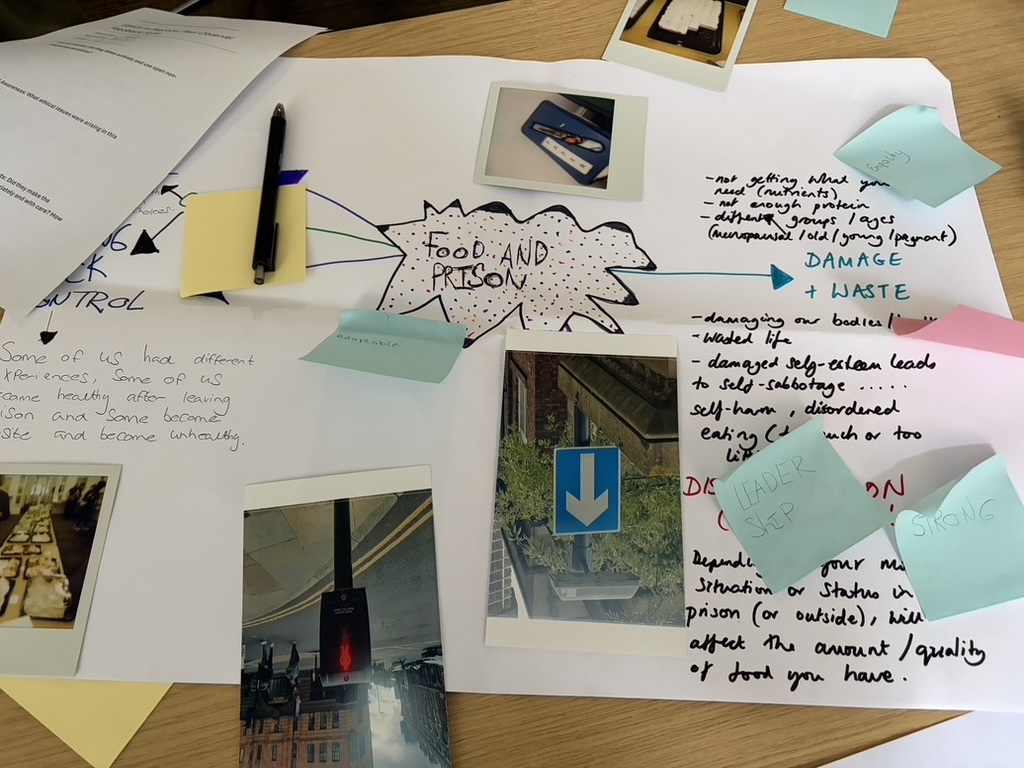
- The study will adopt the creative research method Photovoice as a way to capture the experiences of women through photographs
Brand new research on domestic abuse after prison
A new study funded by the National Institute for Health and Care Research (NIHR) will understand the experiences, perspectives and needs of women who are victims-survivors of domestic abuse once they are released from prison. This will include the barriers and enablers to women receiving the appropriate support and social care needed after leaving prison, as well as the individual intersecting social characteristics and institutional and structural factors which may affect their resettlement.
The 20-month project is being co-led by Dr Kelly Lockwood from the University of Salford, and led by PI Professor Michaela Rogers alongside Research Associate Dr Loren Parton from the School of Sociological Studies, Politics and International Relations, from the University of Sheffield. Partner User Voice is also involved, a peer-led national organisation supporting people in the criminal justice system.
Working together with prison leavers, practitioners and researchers
A central feature of the project is the collaboration and co-construction of knowledge with women with lived experience, practitioners and researchers. This will allow for the development of a knowledge base to advance understanding around women’s resettlement experiences and needs by not only centring women’s voices but also incorporating other stakeholders directly involved in this area.

Combining methods
The study will adopt a multi-method qualitative research design, starting with women with lived experience being trained as peer researchers in qualitative research methods and Photovoice. Peer researchers will go on to co-facilitate focus groups across 5 women’s centres in England and Wales with academic team members, adopting a Photovoice methodology, in which participants can share their experiences through the means of photographs. The project team will then conduct interviews with key stakeholders such as policymakers, service providers and professionals.
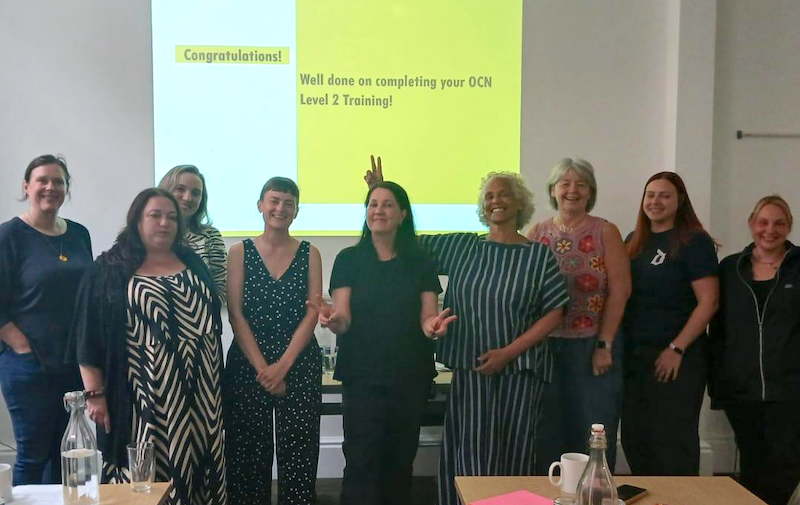
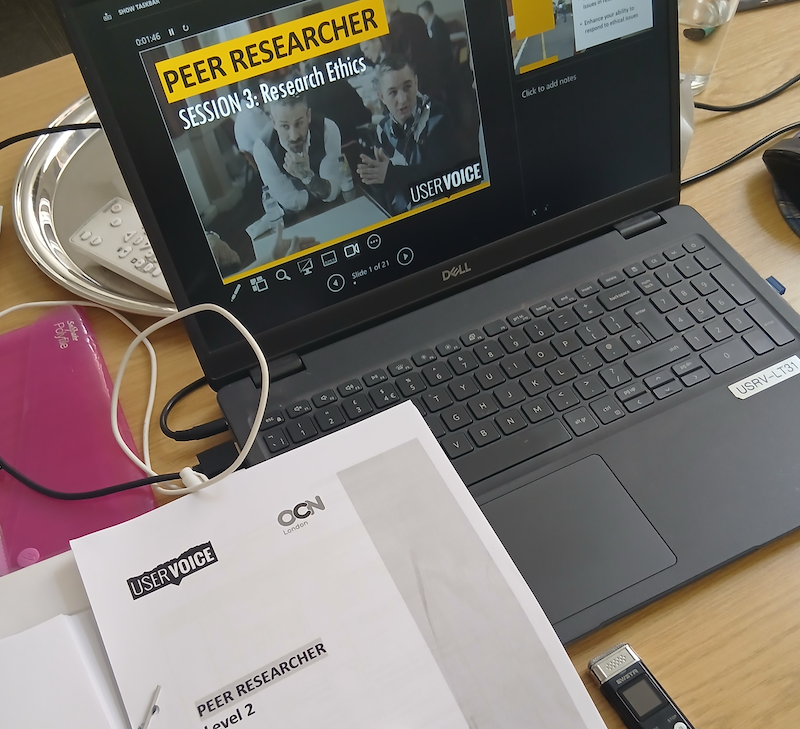
The first two days of peer training took place in July, creating an opportunity for the whole research team to come together. It covered the importance and value of peer research as well as research methods, including data collection and analysis and ethics. There was an opportunity for role play to practice the skills that have been developed and consider how to respond to different situations. Peer researchers told us the training was ‘amazing’ and that they particularly valued the opportunity to learn “different methods of doing research”, “how to deal with difficulties in a focus group” and “working together as a team”. Peer researchers also expressed “increased confidence” and valued the training for giving “each other a voice with space to express our thoughts and ideas.”
The second part of the training took place in October 2026, bringing the team of academic researchers, peer researchers and trainers back together. The training introduced the philosophy and methodology of Photovoice and created opportunities for discussions around the potential practical and ethical issues of the method. There was an opportunity to take, share and analyse photographs, leading to lots of positive and rich discussions.