People
Our team
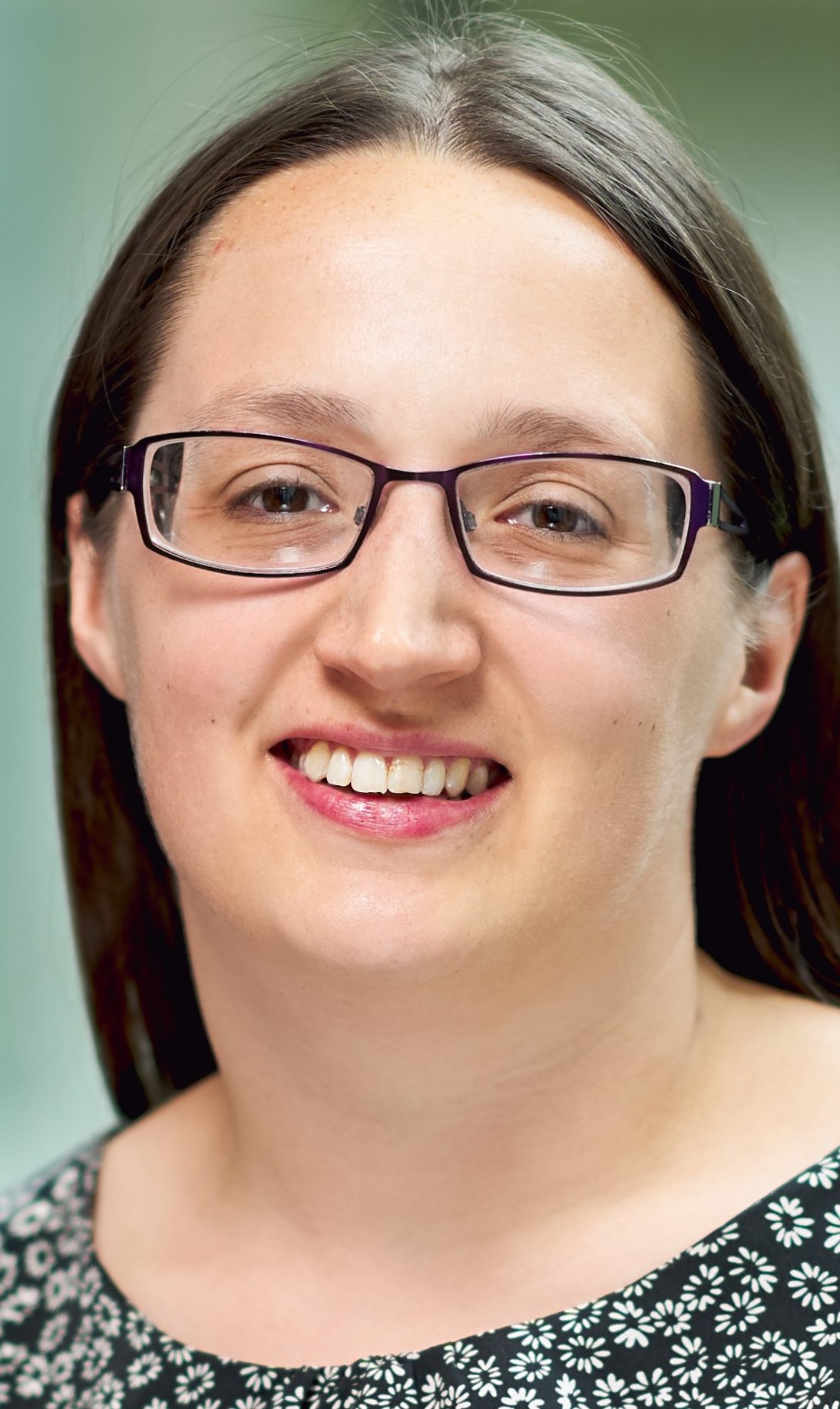
Co-Lead Dr Samantha Gregory
I am a social-cognitive psychologist interested in how sharing an experience with another person shapes perception and memory of the event, with a focus on working memory. As part of this I am interested in how these social cognitive processes change across the adult lifespan. In my research I use a range of approaches including both neuroscience and behavioural techniques as well as using virtual reality to present social scenarios. I am a keen advocate for open science practices. Please check out my personal website to see examples of my work as well as brief talks about my research projects.
Twitter: @DrSamGregory
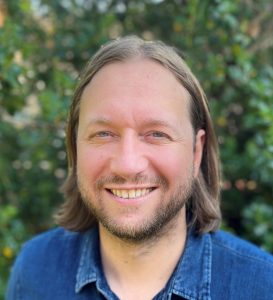
Co-Lead Dr Robert Bendall
I am an Associate Professor (Reader) in Psychology at the University of Salford. Using a combination of behavioural and neuroimaging techniques, as well as psychometric questionnaires, I conduct research in affective science – an interdisciplinary field seeing to understand affective and emotional processes. I have published widely across affective science and cognitive psychology and contribute to international, multi site replication studies and open science initiatives. My work has been supported by funding from the British Psychological Society, Economic and Social Research Council, British Science Association and Wellcome Trust. I lead the MSc by Research in Psychology and welcome applications from students interested in pursuing MSc by Research and PhD research in affective science, visual attention, emotion regulation, cognitive psychology and cognitive neuroscience.
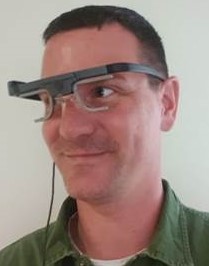
Dr Adam Galpin
I have been working at the University of Salford since 2007 and my research is focused on understanding how humans interact with tools and technology. My background is in visual cognition, in particular the use of eye-tracking, but I also employ a range of both qualitative and quantitative approaches to understanding how to evaluate and design technology. I have worked with a number of external partners, including the BBC, on user experience and design research projects. I am currently supervising a PhD project with the BBC on neurodiversity and creative processes. I also collaborate with prosthetists on understanding psychological factors involved in use of prosthetic arms. I am also interested in children’s digital media use. I welcome queries related to external consultancy projects across the fields of media and cognitive psychology.
Dr Simon Cassidy
I’m a senior lecturer in psychology and programme lead for the MSc Applied Psychology. I lead modules in educational psychology, post- graduate research methods and postgraduate dissertation. Most of my research can be broadly described as social cognition, how people process and use information from social interactions and how this influences their thoughts and behaviour. In the past I’ve explored the relationship between social identity and mobile phone use and how different belief systems affect decision making, eye movement and brain activity. My research focus right now is the psychology of resilience and the development of psychometric measures of academic resilience, the ARS-30.

Dr Nabil Hasshim
I study the cognitive processes underlying selective attention. Most of this work involves the Stroop task and is motivated by how it is the most widely used paradigm in psychology, yet the mechanisms underpinning it are still poorly understood. My current research centres around the following ongoing debates: a) what processes are involved in interference (e.g., should models of attention include different types of semantic conflict?); b) how much of top-down cognitive control is bottom-up learning; c) the impact of different experimental designs on the measurement of these constructs within laboratory settings; and d) whether attention control manipulations can transfer across domains (such as language).
Dr Sam Royle
I am a lecturer in biological psychology, having originally joined the University of Salford Psychology team as a specialist technician in 2015. My current research interests include; Alcohol hangover, specifically the variability in hangover experience, and the cognitive performance consequences of the hangover state; Research methods in psychology, specifically examining how gamification may effect performance in cognitive research tasks, as well as methodological integration across psychophysiological and cognitive measures; and cognitive restoration, specifically examining the underlying mechanisms associated with the restorative effects of nature. I have expertise in a variety of methodological approaches in psychological research, including functional near-infrared spectroscopy, eye-tracking, and psychophysiological data collection..
twitter: @PsyTechSam LinkedIn Google Scholar ResearchGate
Dr Jamie Gillman
I am a Lecturer in Psychology and programme lead for the BSc Psychology of Sport at the University of Salford. My research interests lay in the psychology of performance under pressure and wellbeing. Broadly, my research is centred around the areas of stress and emotion, challenge and threat states, social identity, and social support. I am particularly interested in the psychophysiological reactions to a pressured situation (e.g., sporting performance, exams, presentations, interviews), and how cognitive appraisals shape the way we think, feel, and behave.
Email: j.c.gillman@salford.ac.uk
Twitter: @JamieGillman
Dr Lynne Marrow
I am a senior lecturer in psychology and programme leader for the MSc Applied Psychology (Addiction). I lead undergraduate modules in biological psychology and brain and behaviour and postgraduate modules in psychopharmacology and addictive behaviour. My main research interests have been focused on aspects of the brain’s dopamine systems and I have researched and published in the areas of movement disorders and schizophrenia, depression, the reward systems, substance misuse and aggression. I currently supervise two PhD projects; one on aspects of alcohol hangover, the other investigating perceptions of CBD oil among pharmacists and their clients.
Dr Gonçalo Barradas
I am a Lecturer in Psychology (Cognitive Neuroscience) and specialist in Clinical Psychologist, having worked closely with cases of child abuse and neglect in Portugal. My current research centers around Music Psychology and Affective Sciences, particularly the use of music stimuli for emotion induction, cognitive/motor rehabilitation, and emotion regulation and well-being. I am particularly interested in the following themes: (1) psychological mechanism underlying emotional responses to music; (2) cross-cultural differences; and (3) the impact of emotions elicited by music on cognitive and motor rehabilitation of Alzheimer patients. I have worked on several projects with the Music Psychology group at Uppsala University, Sweden. I welcome applications from students interested in pursuing a Ph.D. in music psychology, music and emotion, music and aesthetics, and cognitive neuroscience.
Dr Nilihan Sanal-Hayes
I am a lecturer in Psychology with research interests in cognitive development in infants, and cognitive function in other clinical populations such as long COVID, ME/CFS, and dementia. During my masters, my research focused on cannabis users and non-users processing of emotional information using an eye-tracker. My PhD research focused on infants’ mass perception of objects in collision events using the looking time paradigm. During my postdoctoral work, my research focused on cognitive functions of individuals with long COVID, ME/CFS, and dementia using apps. Currently, my research focuses on the cognitive well-being of individuals with long COVID , and ME/CFS using various research methods.
Researchgate: https://www.researchgate.net/profile/Nilihan-Sanal-Hayes
Twitter: @DrNSanalHayes
Dr Katherine Maw
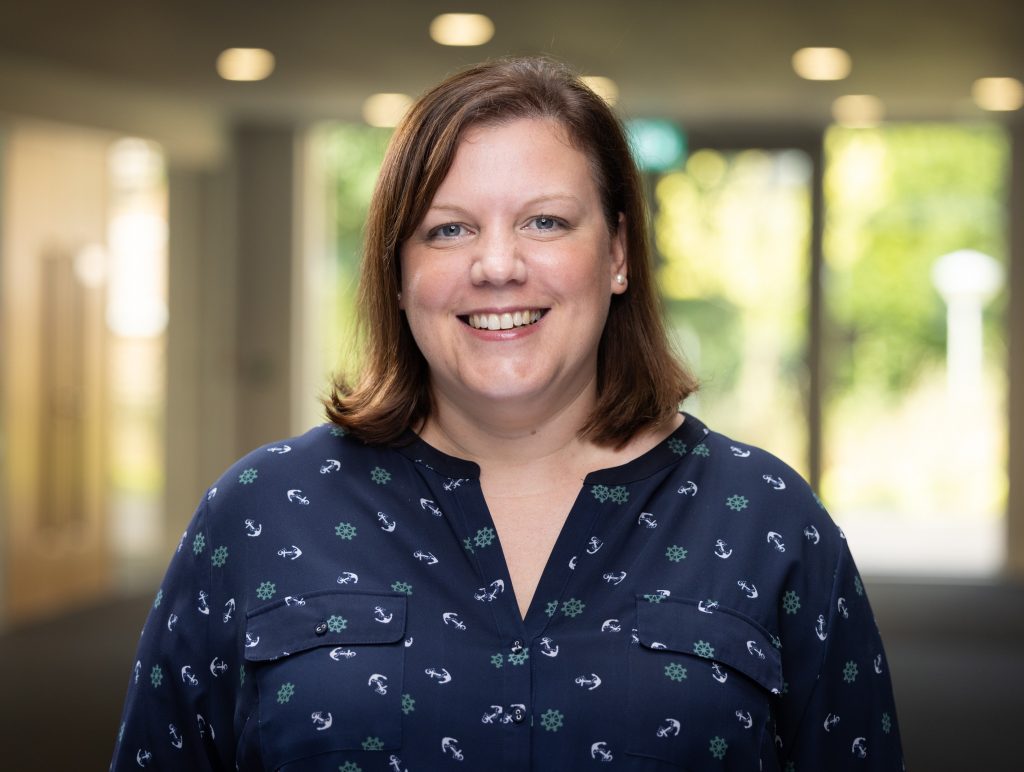
I am a lecturer and researcher studying cognitive strengths and challenges in people with developmental coordination disorder (DCD; daily movement and coordination challenges) and co-occurring neurodevelopmental differences i.e. prosopagnosia (significant face recognition difficulties), aphantasia (inability to visualise in the mind’s eye), autism, ADHD and dyslexia. My research informs my teaching and knowledge share/advocacy activities to support greater inclusion for people with neurodivergent conditions.
Current PhD Students and Researchers
David Beevers
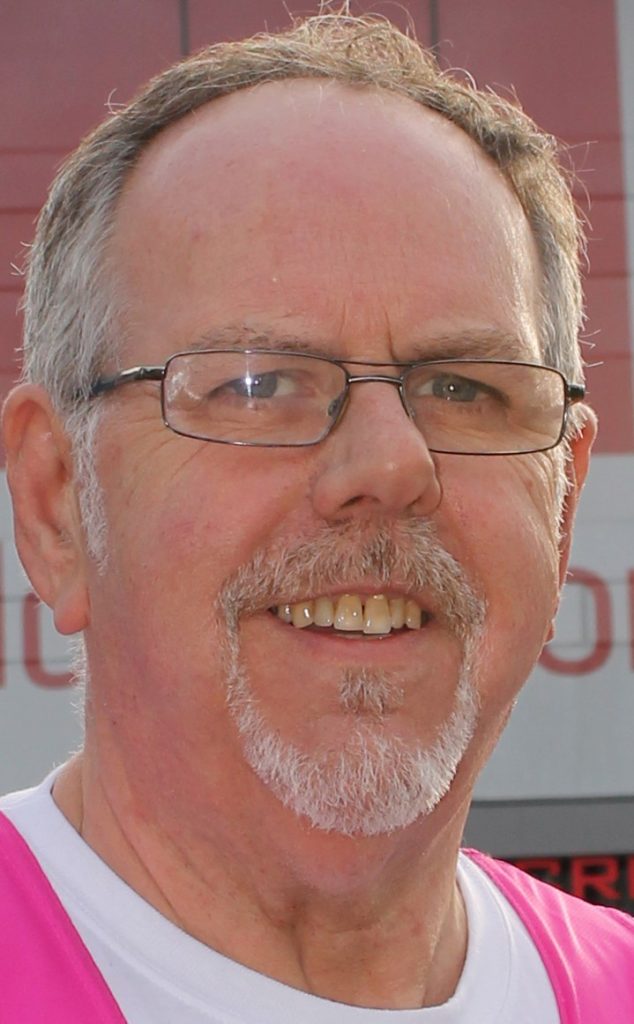
After more than 40 years in journalism, I decided to change careers and pursue a long-held fascination with psychology and motivational leadership. I was accepted onto the BSc (Hons) Psychology and Counselling course at Salford in 2018 at the age of 62 (remember, “you’re never too old, and it’s never too late!”) and graduated in the summer of 2021. I then successfully applied to join the PhD programme at the University with a project looking at the effect of individual differences on the restorative power of environments under the supervision of Dr Catherine Thompson and Dr Michael Lomas. While humans have been shown to favour nature environments over urban settings, with nature benefiting well-being and cognitive abilities, few studies have looked at how the personality of an individual and their past experience of nature affects the ability of certain nature environments to restore and replenish cognitive resources. I am also continuing to work on a study with Dr Thompson, funded by the EPS, looking at the effect of low-level spatial frequency images on perceptual fluency.
Paul Magrath
I am a doctoral researcher in the Leverhulme Trust Aural Diversity Doctoral Research Hub at the University of Salford. My research explores aural diversity, examining how different listener groups perceive and interpret acoustic environments, with particular attention to neurodivergent listening profiles, including ADHD and autism. My work focuses on soundscape perception and psychoacoustics, investigating how listeners interpret environmental sounds in terms of pleasantness and eventfulness.
During my MSc in Mindfulness at the University of Aberdeen, my research examined the psychoacoustic role of background sound during meditation and how auditory environments may support attentional engagement in individuals with ADHD. My broader interests include soundscape perception, spatial audio, auditory attention, mindfulness, and inclusive approaches to acoustic environment design.
Paula Schneider
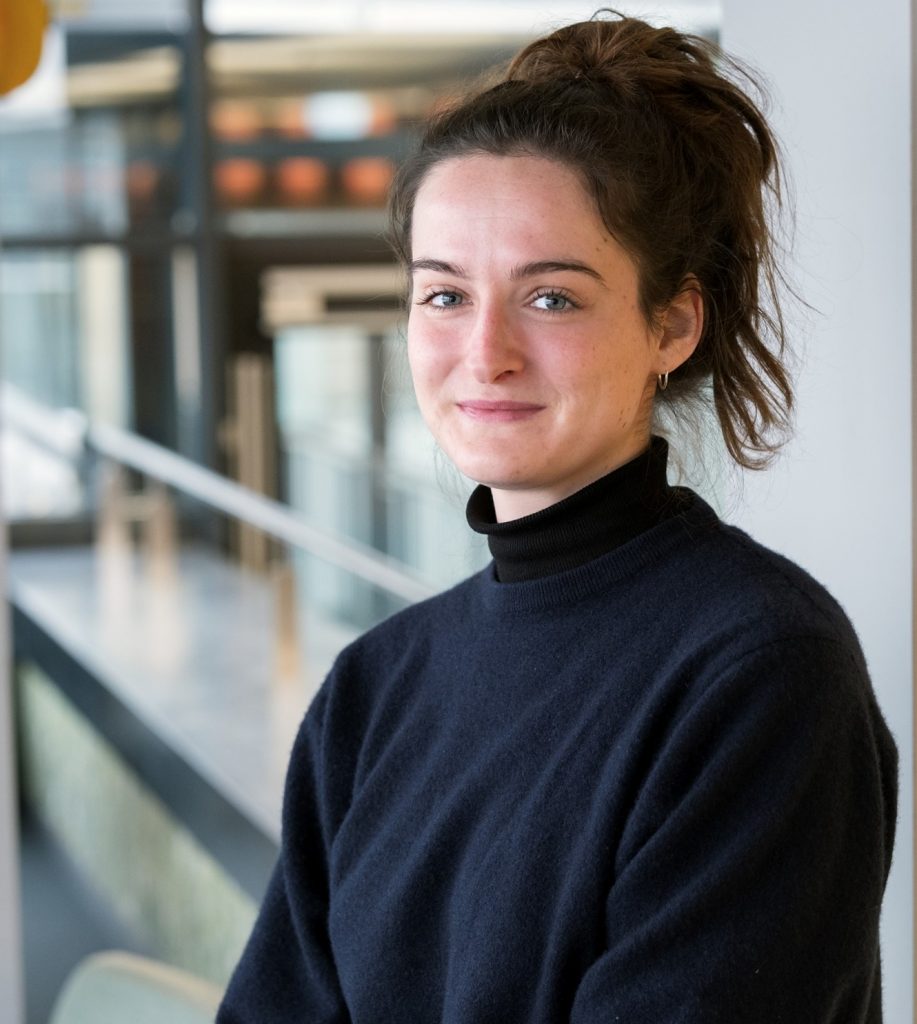
Paula Schneider is a PhD student in the second LAURA cohort. Her research focuses on autistic listening and sensory processing, particularly noise sensitivity and speech-in-noise perception. She aims to investigate the mechanisms underlying differences in listening to sounds amidst background noise in autistic individuals. Her work seeks to contribute to a shift away from deficit-based views of autism, emphasizing instead the strengths of neurodiverse perception.
Paula holds a B.Sc. in Psychology from the University of Potsdam and an M.Sc. in Psychology with a focus on brain and behaviour from the University of Leipzig. During her Master’s studies, she specialized in auditory perception and now integrates this knowledge with research on neurodiversity. Drawing on her own experiences of noise sensitivity, Paula is dedicated to fostering research that supports aural diversity, neurodiversity, and raising awareness of both in daily life.
Supervisors: Dr Samantha Gregory and Dr Bill Davies
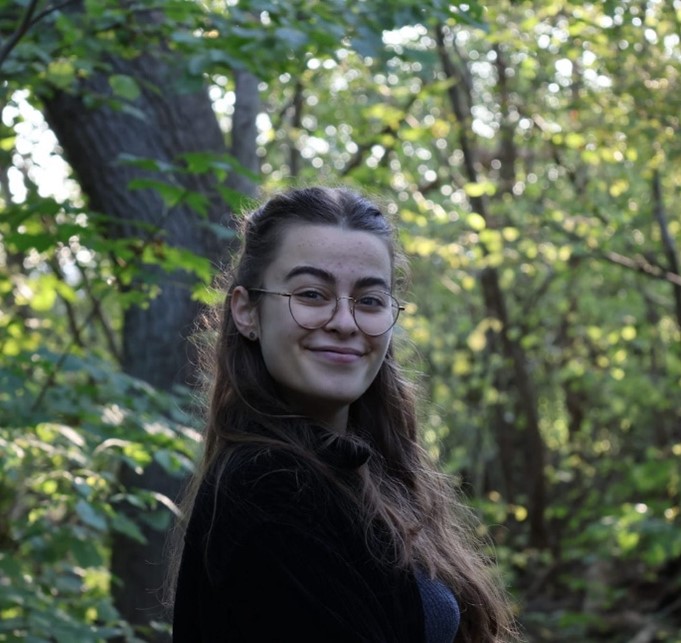
Mathilde Bauer
Mathilde’s PhD research focuses on affective profiles of decreased sound tolerance, specifically misophonia and hyperacusis. She is interested in the way sound affects emotions and wellbeing and hopes her research will aid in finding coping mechanisms and therapies for decreased sound tolerance sufferers. She has always loved sound- an avid music lover, she played the flute for her school band and sang in shows and charity events. Her interest in sound goes further than music- as a noise sensitive individual, she is fascinated by the way in which sound impacts wellbeing and daily social interactions.
She holds a bachelor’s in psychology with a minor in music studies from the University of Sussex, and a masters in cognitive neuroscience from University College London (UCL). She has completed a placement year at the University of Sussex, in which she has worked as a research assistant exploring perceptual differences (synaesthesia and misophonia) at both behavioural and neural levels (MRI). Her master’s dissertation explored sound pleasantness and visual imagery. See Mathilde’s previous work and publications: www.linkedin.com/in/mathilde-bauer
Supervisors: Dr Robert Bendall and Dr Duncan Williams
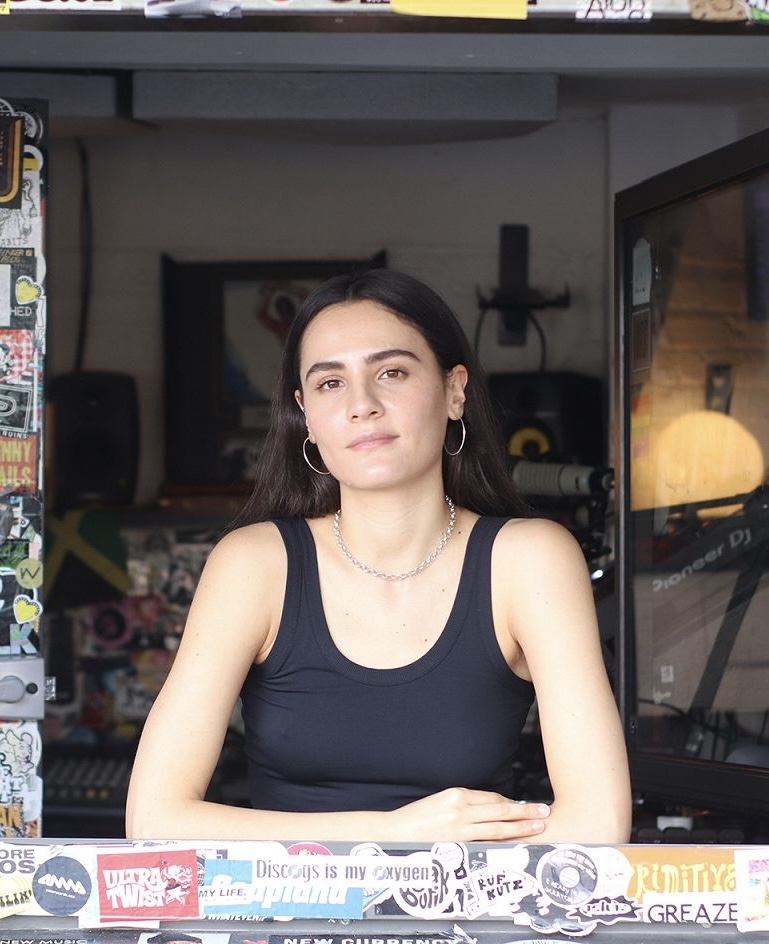
Silvia Castellano
My background is in psychology, neuroscience of music and sound engineering. Since my teenage years, I make music and host a radio show. My PhD research adopts a transdiagnostic, neurodiversity-affirmative perspective to explore natural variations in cognition and behaviour in adults with and without diagnoses of ADHD and autism. More specifically, I focus on how people experience, perceive and engage with music: what they listen to, music-induced emotions, how they use music in daily life. Leveraging data-driven approaches, my PhD aims to better understand complexity and heterogeneity in neurodiverse listeners.
My methods involve machine learning and advanced statistics to identify latent groups (neurotypes) that cut across traditional diagnostic boundaries. Using Music Information Retrieval, I then analyse how the music’s characteristics inform each unique cognitive profile. Finally, I use EEG to study brain activity across neurotypes, namely how it relates to subjective emotions, expectations and the pleasure derived from music.
Supervisors: Dr Samantha Gregory, Professor Bill Davies and Dr Diana Omigie
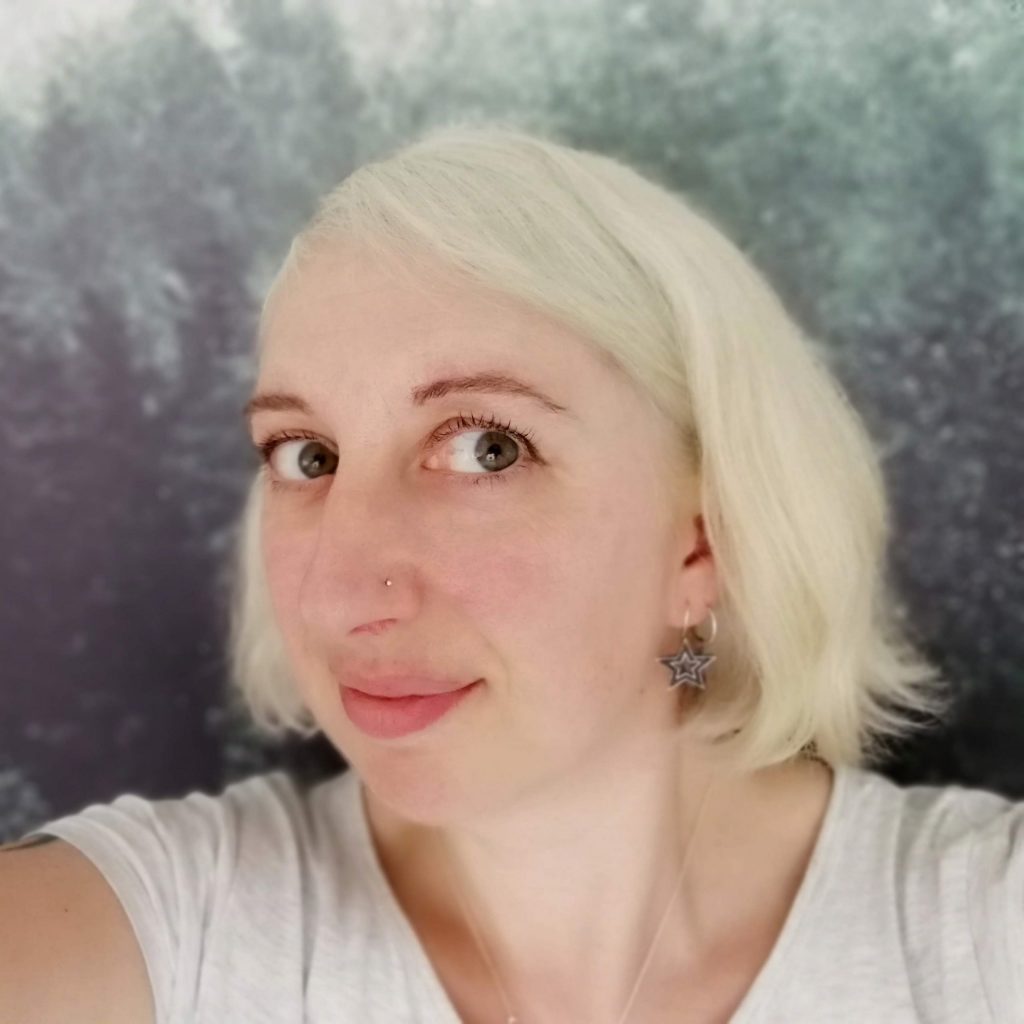
Addie Beckwith
Addie’s PhD research is focused on aural diversity, sensory emotion regulation, and mental health. In particular, she is interested in the use of music to promote positive mental health, psychological wellbeing, and to improve the quality of life for people experiencing hearing loss. She has always loved music – whether playing an instrument in the school orchestra, attending gigs, or just adding to her ever-growing vinyl collection and digital playlists – and also has personal experience of hearing loss.
Addie has 15 years’ experience within the NHS across various mental health services. Following completion of her BSc in Forensic Psychology, Addie qualified as an Associate Psychological Practitioner and worked in several primary care networks (clusters of GP surgeries) across Lancashire and South Cumbria supporting people with their mental health and wellbeing. She also completed an MSc in Psychology and Learning Disabilities and her dissertation was around the experiences of autistic adults accessing mental health services. More recently, Addie has worked as a research assistant supporting clinical trials within an NHS trust’s research and development department – this experience provided her with a good foundation on which to build her own research.
Addie is dedicated to utilising her skills and knowledge to promote positive mental health, to support underserved communities, and to ensure that mental health services are accessible to everyone. Her work is deeply rooted in a commitment to creating meaningful change within the mental health landscape. She is passionate about advancing research focussing on improving mental health outcomes for underrepresented communities.
Supervisors: Dr Robert Bendall and Duncan Williams
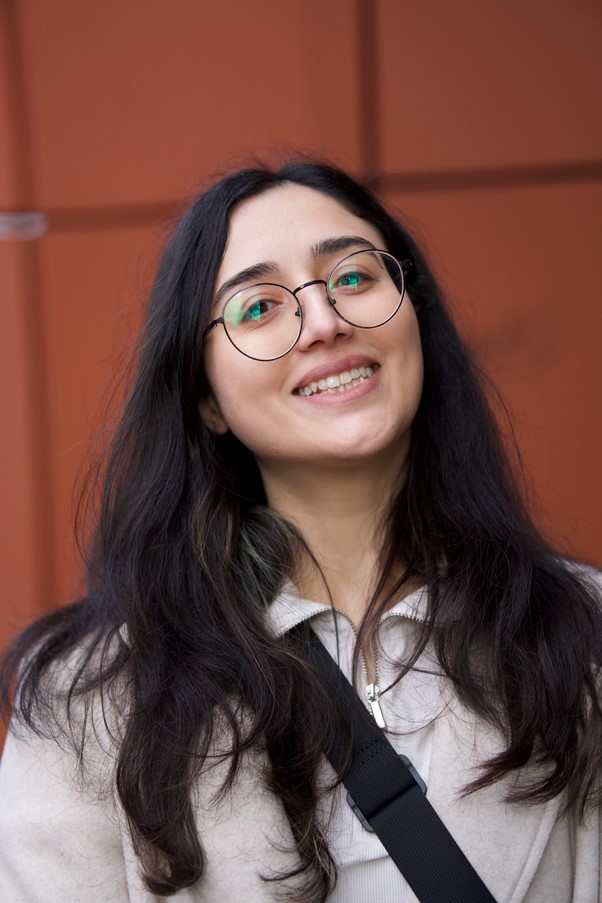
Safiye Sena Dokmeci
Sena is a PhD researcher at University of Salford. Her research focuses on voice perception and vocal expression in autism. She is particularly interested in how voices are perceived differently across individuals and how this relates to the double empathy problem and neurodiversity.
She is also personally interested in voice and music, and enjoys discovering different vocal styles and techniques. She is currently working on improving her own vocal expression as well.
She holds a BA in Psychology and an MSc in Clinical Child and Adolescent Psychology. She has clinical experience working with children and adults from diverse backgrounds. She brings together her clinical and research experience to understand how voices shape everyday social interaction.
Supervisors: Samantha Gregory, Bill Davies and Rebecca Vos
Hana Saad Alarifi
Hana Saad Alarifi is a postgraduate student at University of Salford. Hana is a Saudi researcher recognised internationally for her work in autism research. She studied in the United States, graduating with honors in computer science and computer engineering from University of La Verne and later earning a master’s degree in computer science in California while also studying psychology at California State Polytechnic University, Pomona. Inspired by her son’s diagnosis with Autism Spectrum Disorder, her graduation research forced on using machine learning algorithms to predict autism in children.
Hana later applied her knowledge in Saudi Arabia at King Faisal Specialist Hospital and Research Centre, where she developed innovative methods such as eye-tracking technology, artifical intelligence and virtual environment. Her achievements earned her international recognisiton, including the Who’s Who International Awards, which she was nominated for while serving as a visiting scholar at the University of Nevada.
Supervisors: Dr Samantha Gregory and Dr William Royle
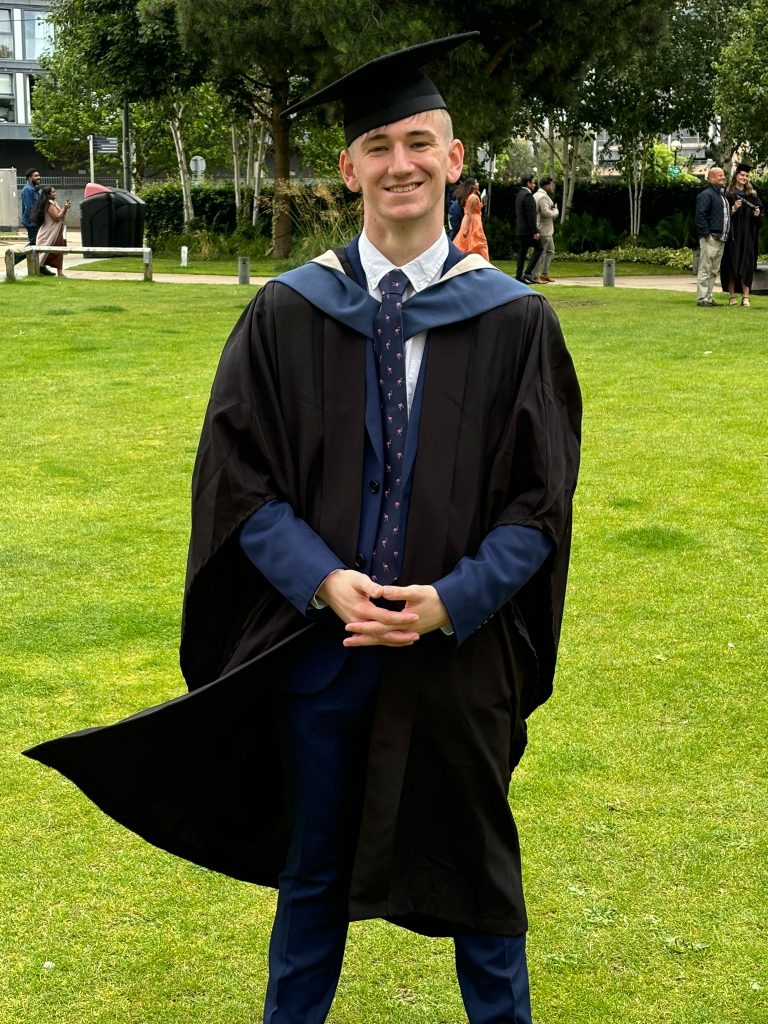
George Wright
George is currently studying for a PhD in Applied Psychology, having completed a Master’s by Research between 2024 – 2026. He specialises in the applications of learning, with both his Master’s and PhD studies encompassing how environmental noise can impact upon the early learning of toddlers.
A career teacher, he possesses classroom experience from primary school through to university lectures in recent years, whilst also using his love of sport to assist in coaching, helping to train primarily athletics at Eastbourne Rovers.
Having aided the Museum of Science and Industry in an outreach project around the festive period of 2025, he is expecting to continue developing an understanding of the impacts of environmental noise on toddlers, supervised by Gemma Taylor and Bill Davies out of the University of Salford.
Supervisors: Bill Davies and Gemma Taylor
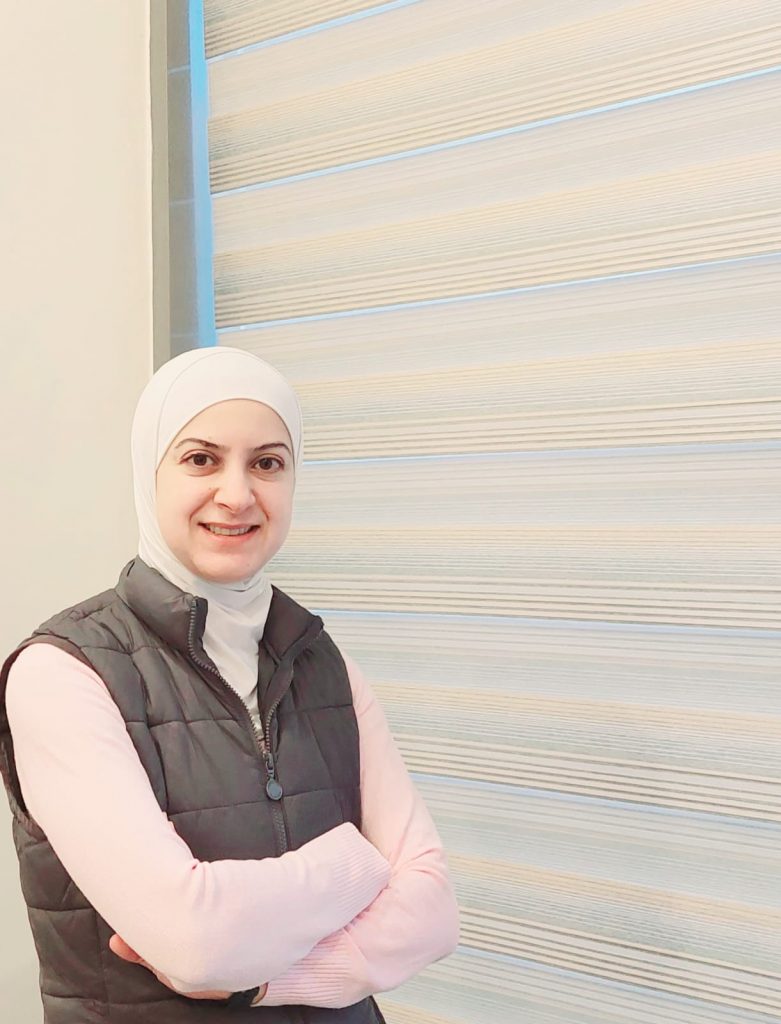
Wa’d Abu-Zurayk
Wa’d Abu-Zurayk is a neurotherapist and pediatric occupational therapist based in Amman, Jordan. She holds a BSc in Occupational Therapy from the University of Jordan, an MSc in Intellectual Disability Studies from the University of Birmingham (UK), and a postgraduate certificate in Applied Neuroscience from King’s College London. Since 2006, Wa’d has specialized in early intervention and play-based therapy and is currently the founder and manager of a pediatric OT and neurotherapy clinic in Amman. She is currently pursuing research as a distance-learning student with the School of Health and Society (SHAS), exploring encephalographic (brainwave) signatures of food allergies.”
Supervisors: Dr Samantha Gregory and Dr Nabil Hasshim
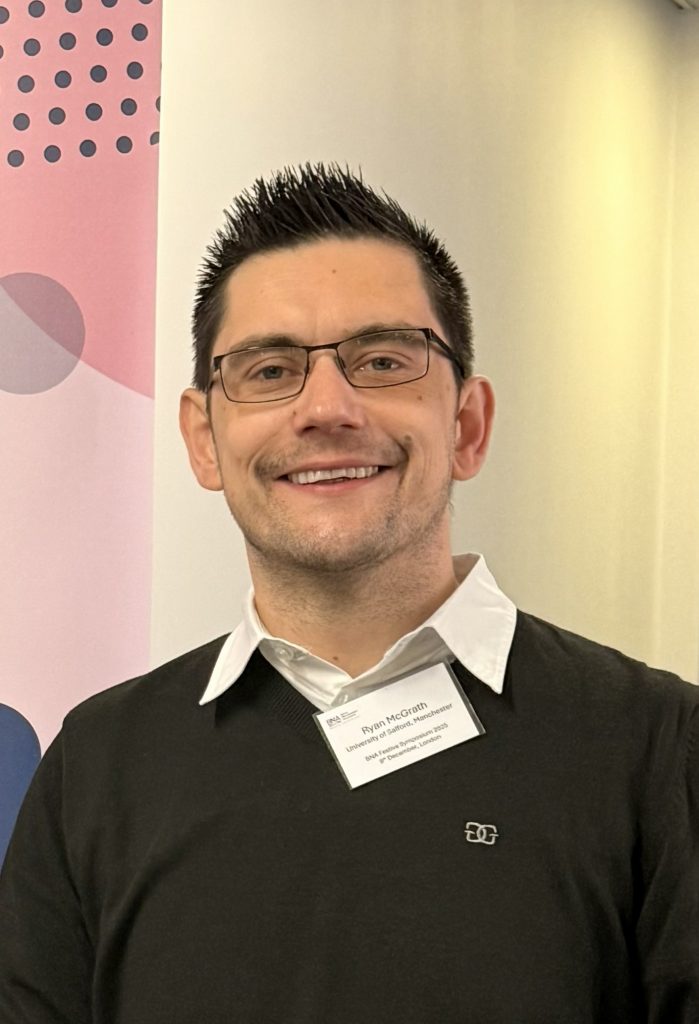
Ryan McGrath
I completed my psychology degree at the University of Salford in 2017 and am currently completing an MSc in Applied Psychology. Since graduating, I have worked on research projects across behaviour change and attention in natural environments, using methods including eye-tracking and fNIRS.
My interests centre on cognitive neuroscience and neuroimaging, with a focus on executive control, inhibitory control, and the mechanisms underlying impaired or altered functioning. I am especially interested in how these questions apply in addiction and chronic health conditions, areas in which disrupted executive and inhibitory processes carry clinical relevance. My broader interests include applied and translational research, and engagement with the wider psychology and neuroscience community.

Draco Graham-Kevan
I first joined the Applied Cognition group in 2023 as a summer intern and worked with Samantha Gregory on a project using virtual reality to investigate social cognition. I also contributed to the SNED project by sourcing the natural images used.
I joined again in 2025 as I started my PhD in uncanny valley effects in natural environments. I have a keen interest in gaming and horror media and am hoping to use my research to further knowledge of how fear can be used in therapeutic ways. Future goals include building new ways to utilise technology, including virtual reality, in helping trauma patients recover.
Supervisors: Dr Samantha Gregory and Dr Robert Bendall.
Previous Researchers
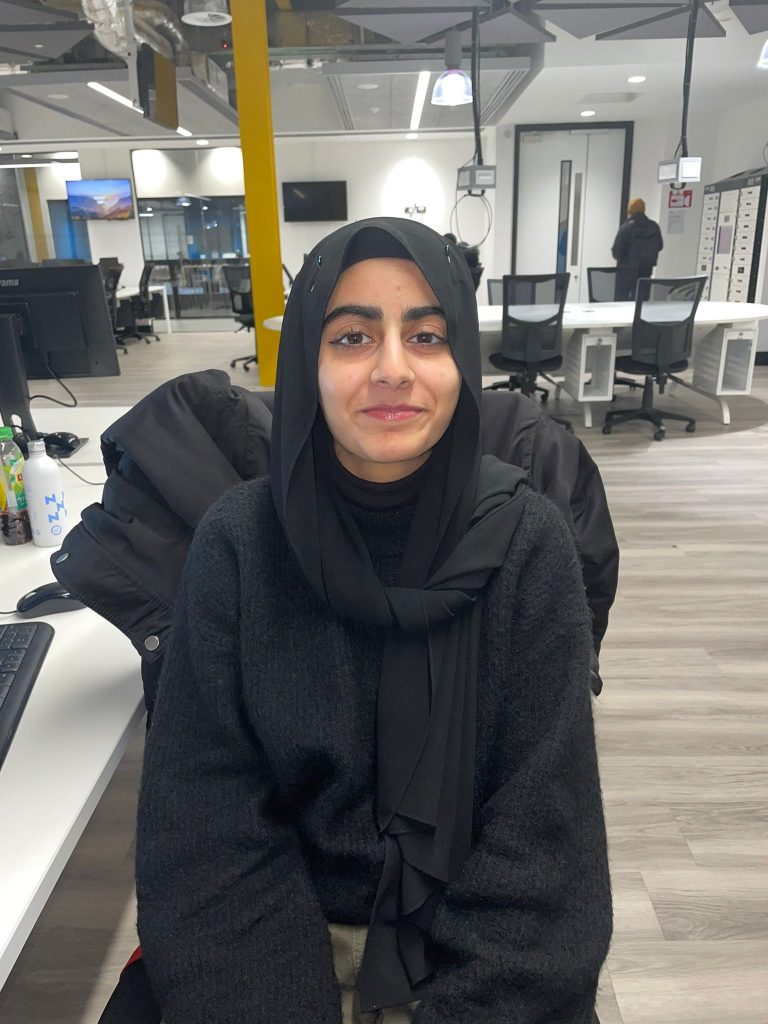
Alishba Mailk
Alishba worked as a summer intern under Dr Robert Bendall on a project investigating “Location-Based Variation in emotional experience”. Alishba is continuing to study cognitive psychology via her dissertation. Of the internship, alishba said: ‘Overall, it was a tremendously rewarding experience for me to work on this study during my internship. It gave me the chance to learn more about data analysis methods and research methodologies. Being a part of this study has also strengthened my resolve to pursue a career in a research-related field in the future.’
James Dodds
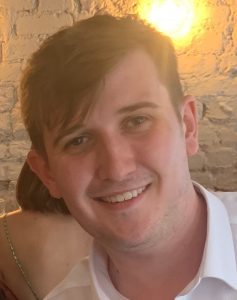
James, a University of Salford Psychology graduate, spent 5 and a half months on an internship supervised by Dr Samantha Gregory. During the internship he assisted in recruitment and data collection, helped develop protocols for a research participant database and contributed to the creation of an image database. James is going on to do a Research Methods in Psychology MSc at The University of Liverpool.

Lucy Ferrie
Lucy, graduated from Royal Holloway University of London in 2020 with a Bachelor’s degree in Psychology and then went on to study a Master’s degree in Forensic Psychology. Lucy worked as a Research Assistant at the University of Salford on a project funded by the Fire Service Research and Training Trust exploring the effects of thermal stress on the cognitive functioning of firefighters.
Rukhma Younis
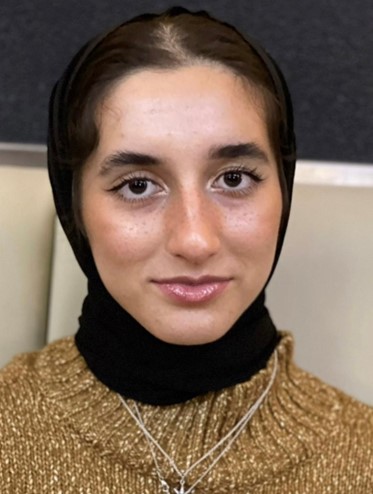
Rukhma graduated from University of Salford in 2021 with a Bachelor of Science degree in Criminology. Rukhma spent 6 months working on an internship in 2022 with Dr Samantha Gregory. Rukhma’s project examined the effect of other people’s eye movement/ eye gaze on memory of objects. The study was conveyed through a virtual reality setting with head mounted display.