IPGRC 2026: Complete Programme and Abstracts

12 MAY 2026
8:30-10am Conference opens
SEE Building, Atrium and SEE Multifunctional space
8:30am Arrival, registration, tea & coffee.
9:30am Opening address by Prof Mike Wood, Associate Dean Research and Innovation
9:40am Zareena Saleem, Assistant Editor, Journals, Royal Society of Chemistry: Support for Early Career Researchers
This presentation will explore how the Royal Society of Chemistry supports early career researchers through funding, mentoring, networking and professional development opportunities. It will highlight key initiatives that help emerging scientists build skills, gain recognition and progress in the early stages of their career.
10-12pm Morning Sessions
Microbiology and Biotechnology and Nanomaterials
Green Biotech and the Circular Bioeconomy: Biomass Valorisation
SEE Multifunctional space
Sadia Sarwar and Daniel Wales with Dr Natalie Ferry
This session will focus on emerging research at the forefront of green biotechnology and circular bioeconomy that looks at how biotechnology can contribute to a more sustainable and circular future. It will focus on novel ways to turn a wide range of underutilized and renewable biomass sources such as agricultural waste, industrial side-streams, forestry by-products and food waste into valuable products like biofuels, chemicals with urgency to reduce carbon footprint and reliance on petrochemicals.
Topics of Interest Include:
- Enzyme and microbial development for biomass breakdown
- Sustainable chemical production from waste biomass
- Using alternative feedstocks, Valorisation of diverse biomass types
- Circular economy applications in biotechnology
- Synthetic biology, AI and computational tools in enzyme/protein design (if relevant to sustainability goals)
- Social, economic, or policy links to green biotech and bioeconomy
Session Objectives:
- The aim is to showcase how researchers are tackling environmental challenges through creative, biology-driven solutions that fit into the wider goals of sustainability, circularity and green biotechnology. Postgraduate researchers working on any aspect of sustainability, biotechnology, green chemistry, environmental engineering, or related areas, turning lab research into real-world impact.
Postgraduate researchers working on any aspect of sustainability, biotechnology, green chemistry, environmental engineering, or related areas, turning lab research into real-world impact.
Speakers
MdB Bashir, A closed loop, AI driven framework for personalised mesenchymal stem call therapy in diabetic kidney disease
This paper proposes and conceptually assesses an AI guided personalised mesenchymal stem cell (MSC) therapy framework aimed at the prevention and restoration of renal function in individuals with diabetes. Diabetic kidney disease (DKD) continues to be the primary cause of chronic kidney disease and stage renal failure, with existing treatments mostly aimed at decelerating progression rather than regenerating damaged nephrons. According to early clinical and preclinical research, MSCs can enhance albuminuria, estimated glomerular filtration rate, and structural indicators in some situations while also having anti-inflammatory, anti-fibrotic, and pro-repair actions in DKD. However, there is significant uncertainty on patient selection, dosage, timing, and long-term effects, and clinical results are uneven and essentially “one size fits all.”
The innovative aspect of this work is the integration of these two developing fields-artificial Intelligence in nephrology and MSC-based regeneration into unified, closed-loop therapeutic strategy tailored to diabetes patients. This paper will: (1) Systemically synthesise contemporary evidence about DKD and AI models for DKD risk prediction;(2) Determine the shortcomings of current methodologies in addressing the persistently adverse diabetic milieu and individual immune-inflammatory differences; and (3) Introduce an innovative AI-driven decision framework that utilises longitudinal clinical, metabolic, and biomarker data to stratify diabetic patients, forecast responsiveness to MSC therapy, and adjust dosage and timing over time.
Contingent upon data availability and scope, the paper will either include original modelling results (developing and evaluating a prototype predictive model using DKD datasets) or methodology-centred design do such a model, encompassing feature sets, validation strategies, and clinical integration pathways. In both instances, the principal knowledge addition is a well-articulated translational roadmap for AI-guided regenerative therapy in diabetic kidney disease, advancing from static protocols to dynamic, patient-specific, immune, and injury-aware intervention design.
YM Omotunde, Evidence of Alkaloids, Fatty Acids, and Cyclotides in Three Fabacea Species: Thermopsis Ianceolata, Genista tinctoria and Baptisia australies
This study investigates three underexplored Fabaceae species, Thermopsis lanceolata, Genista tinctoria, and Baptisia australis, to identify and characterise their alkaloids, fatty acids, and potential cyclotides. Although Fabaceae plants are widely recognised for their agricultural and bioactive importance, these particular species remain poorly studied, especially regarding their fatty acid profiles and cyclic peptide diversity. Using solvent extraction, TurboStill fractionation, GC-MS, HPLC, and NMR analyses, the study provides new biochemical evidence including the detection of cytisine in T. lanceolata and preliminary signals suggesting the presence of cyclotides.
Objectives
- To generate foundational biochemical data that supports future applications in cosmetics, biolubricants, pharmaceuticals, and agricultural biotechnology.
- To profile alkaloids, fatty acids, and peptides in the aerial parts and seeds of three underreported Fabaceae species.
- To evaluate their potential as renewable feedstocks for high-value bioproducts within the circular bioeconomy.
Innovative Scope and Contribution to Knowledge
- Provides the first integrated phytochemical evaluation of these three Fabaceae species across alkaloids, fatty acids, and cyclotides.
- Offers novel evidence of cytisine and early indications of cyclotides, expanding current knowledge of the chemical diversity of these species.
- Demonstrates their unexplored bioeconomic potential, supporting future valorisation in sustainable bioprocesses.
A Tijiani, Climate Change, Biodiversity and Airport Sustainability
Airports are essential elements of international transport infrastructure and significantly contribute to global carbon emissions. This investigation examines the potential for implementing green infrastructure at airport estates to enhance sustainability, providing benefits including temperature regulation, energy conservation, improved public health, enhanced ecosystem services, and support for urban biodiversity.
Nevertheless, a primary challenge associated with these initiatives is that vegetation attracts bird species, thereby increasing the risk of bird strikes and associated issues. To optimise environmental benefits while ensuring aviation safety, it is vital to employ effective bird-deterrent strategies alongside airport greening initiatives. The study will also review selected exemplary greening initiatives, identify best practices, and evaluate the potential for their replication across various contexts, particularly within the United Kingdom.
OC Avincsal, Assessing microbial acclimation and mild hydrothermal treatment to improve methane production from paper sludge (Poster)
The paper manufacturing and recycling industry generates substantial quantities of sludge, primarily composed of short cellulose fibers, lignin, organic compounds and inorganic fillers. Managing this waste presents significant environmental and economic challenges, due to the large volumes produced. For instance, in the United Kingdom alone, paper and cardboard waste amounted to 5.4 million tonnes in 2023, with a recycling rate of 73.4%. Biogas production from paper sludge has been proved to be a viable valorisation pathway for this waste stream however, digestion of cellulose is particularly challenging due to the ineffective enzymatic attack by anaerobic microorganisms during the hydrolytic phase.
To address this issue, a two-way ANOVA was used to design the experiment and assess the effectiveness of enhancing hydrolysis through mild hydrothermal pre-treatment (250⁰C, 5MPa) and microbial acclimation. Over a 28-day digestion period, untreated samples yielded approximately 147.8 mL of CH4 per gVS-1.Treated samples produced 15–22% more methane compared to untreated ones, however the net energy balance for embedding the pre-treatment was negative. Acclimatised untreated specimens instead achieved a maximum yield of 206.9 ml, indicating that acclimation is more effective than mild hydrothermal treatment at improving biogas production with no extra energy input.
Informatics
Building Trustworthy AI: Sustainability, Fairness, and Transparency
SEE 2.11
Aviad Bessler with Dr Kaveh Kiani
As Artificial Intelligence (AI) becomes deeply embedded in sectors like healthcare, education, energy, and governance, the urgency to ensure AI development aligns with environmental sustainability, ethical integrity, and social fairness grows rapidly. This session invites interdisciplinary research that critically engages with the design, deployment, and governance of AI systems through responsible and transparent approaches.
We welcome research on how AI affects the environment, such as its energy consumption, carbon footprint, and on how we can make computing more sustainable. Ethical dimensions are central particularly studies tracing accountability across the AI pipeline, from data sourcing and model training to deployment and post-use auditing.
Social equity is another major focus, including algorithmic bias, digital exclusion, and the distribution of benefits and harms across different populations. We welcome investigations into misinformation, manipulated media, and the challenges of protecting rights and privacy in AI-driven ecosystems.
Policy and governance discussions are also crucial: how can we build transparent, participatory oversight models and regulatory frameworks that support public trust in AI?
Finally, we also encourage case studies that demonstrate responsible AI in action whether in healthcare, education, climate science, or public policy.
Topics of Interest Include:
- Environmental impact of AI (e.g., carbon emissions, energy efficiency).
- Ethical AI development and lifecycle transparency.
- Algorithmic fairness, bias, and digital inclusion.
- AI and misinformation, media manipulation, and content rights.
- Privacy-preserving and inclusive machine learning.
- Participatory governance, regulation, and public trust in AI.
- Explainable, reproducible, and low resource AI systems.
Session Objectives:
- Explore interdisciplinary strategies for responsible AI development.
- Highlight the environmental, social, and ethical impacts of AI.
- Showcase technical solutions that promote transparency and fairness.
- Foster dialogue on policy, regulation, and public accountability in AI.
We invite PGRs working across computer science, engineering, ethics, policy, social sciences, and environmental studies to submit their work and contribute to this vibrant session.
Speakers
E Markwei Martey, Artificial Intelligence Technology and Green Consumption Behaviour: Evidence from Restaurant Customers in Ghana
The study aims to examine AI technology and green consumption behavior in Ghana and develop a framework that combines Theory of Planned Behaviour (TPB) and Norm Activation Model. The rapid global economic growth and population explosion have exacerbated environmental degradation and natural resource depletion, underscoring the need for green consumption behavior to mitigate greenhouse gas emissions and resource consumption. The study adopted a quantitative research approach and collected data from 797 customers in Restaurants in Ghana. A confirmatory factor analysis (CFA) was adopted to identify the best-fitting model for the data collected. Partial least square – Structural Model Equation was adopted for data analyses. The findings highlight crucial factors influencing AI-driven green behavior, including attitude, social norms, perceived behavioral control, personal norms, ascription of responsibility, and awareness.
Firstly, Governments and policymakers should leverage virtual and real-life platforms to promote low-carbon living, encouraging public participation in green initiatives. Secondly, Businesses must adopt green strategies to enhance their social reputation and sustainable development. Thirdly, managers can utilize AI technology to guide customers toward eco-friendly consumption. Finally, restaurants should partner with influential role models to raise environmental awareness and promote sustainable behaviors. This is among the first empirical research to integrate TPB and NAM to create a framework and offer theoretical inspiration to explore green consumption behavior and incorporated AI technology practices. The result of the study offers practical management implications to promote green consumption.
K Badmos, Multi-Class Severity Grading of Diabetic Retinopathy Using Lightweight Deep Learning and Explainable AI
Diabetic retinopathy (DR) is a leading cause of preventable blindness worldwide, yet early detection and accurate severity grading remain limited by resource constraints, specialist shortages, and the high computational cost of conventional deep learning models. This paper presents a lightweight and explainable deep learning framework for five-class DR severity grading, designed to promote transparency, fairness, and sustainability in medical AI systems. Using the APTOS 2019 dataset of 3,662 fundus images, the study implements four EfficientNet variants (B0–B3) through a unified pipeline incorporating stratified splitting, dynamic input resizing, preprocessing, ImageNet-based transfer learning, class balancing, and data augmentation. Custom classification heads were added to each model to reduce complexity while maintaining strong representational capacity. This lightweight architecture supports deployment in low-resource clinical environments, directly addressing the global inequities that limit access to DR screening.
To enhance transparency and clinician trust, the model is integrated with Grad-CAM++ and LIME to generate both spatial and feature-level explanations for model predictions. These explanations highlight lesion-specific regions such as microaneurysms, haemorrhages, exudates, and neovascularisation, enabling visual verification of model reasoning across all DR severity stages.
Experimental results show that EfficientNetB3 achieved the highest accuracy (79%), while EfficientNetB1 delivered the most efficient performance–accuracy trade-off (78%) suitable for real-time applications. Explanation maps demonstrated strong alignment with clinically relevant structures, reducing the opacity of the “black-box” model behaviour. The best-performing model was deployed in a Streamlit prototype, enabling users to upload retinal images and receive severity predictions supported by interpretability outputs.
This study contributes a novel combination of lightweight modelling, multi-class DR grading, and dual explainable AI integration, offering a sustainable and trustworthy pathway for AI-assisted ophthalmic diagnosis. The findings highlight practical potential for scalable DR screening in underserved regions, supporting improved clinical decision-making and equitable access to early detection tools.
PI Charandabi, U-Net-Based Approach for Flood Image Segmentation
Flood image detection is important for several real-time applications, such as flood monitoring, prediction, forecasting and disaster management etc. For successful flood image detection, segmenting an accurate flood region is essential. Due to clutter background, outdoor scenes, poor quality and degraded images, segmenting the flood region is challenging. There are models proposed in the literature for region segmentation and water region detection, classification of water images etc. However, most of the existing models are not effective for the above complex situations. The region is that most of the models follow traditional approaches like extracting handcrafted features and machine learning approaches for classification. Therefore, developing a robust and reliable approach for accurate flood image segmentation is an open challenge for researchers.
Therefore, this work aims to develop a new U-Net-based model for better flood image segmentation. The core innovation is the replacement of standard skip connections with attention gates. Unlike conventional attention mechanisms that use a single kernel size, the proposed model uses a dynamic kernel size. This allows the network to adaptively focus on fine details (point-wise features), local context, and broader patterns simultaneously. Additionally, the proposed work employs a decoder-guided gating strategy, where high-level semantic information from the decoder directs the selection of low-level encoder features, ensuring that only flood-relevant information is fused while background clutter is suppressed. Since there is no standard dataset for experimentation and evaluation, we create our own dataset and manually annotate the flood regions in the images. Experimental results on a dataset of 320 ground-level flood images demonstrate that this architecture significantly outperforms the traditional approaches and baseline U-Net.
12-1pm Lunch & Exhibition Stalls
SEE Building, Atrium
1-3pm Afternoon Sessions
Microbiology and Biotechnology and Nanomaterials 2
Microbiomes, Infection and Control
SEE Multifunctional space
Kelsey Broadbent with Laura Brettell and Alice Risley
Microbial interactions with each other and their environment can influence a wide array of ecological and biological processes, including ecosystem function, disease outcomes, host fitness, and the spread of antimicrobial resistance and virulence. This session aims to explore the multifaceted world of microbiomes and microbial ecology from a One Health perspective, emphasizing their implications for infection control, global health, and environmental management. By bridging these fields, we seek to provide postgraduate researchers the chance to learn from other perspectives on how microbial systems impact health and disease management.
Topics of Interest Include:
- Microbiomes: Diversity and function of human, animal and environmental microbiomes, emphasizing the factors that affect their dynamics and the impact on disease outcomes. Advances in sequencing and microbial community analysis will be discussed, alongside microbiome modulation strategies.
- Infection: Pathogen biology, host-pathogen interactions, and models of infection. Key challenges such as antimicrobial resistance and emerging infectious diseases can be included along with societal drivers of infectious disease.
- Control: Updates on the efficacy of current and novel infection control strategies such as antibiotics, vaccines, bacteriophages, immunotherapies, and microbiome-based interventions as well as antimicrobial stewardship, and public engagement.
Session Objectives:
This session offers a platform to deepen knowledge and build confidence in networking with others by:
- Providing an opportunity to present your research on microbiomes, infection, and control.
- Enabling you to see how your work may link to other related areas, inspiring you to explore novel approaches that could address your research questions.
- Encouraging interdisciplinary dialogue on translating microbial research into practical solutions for conservation, environmental management, healthy living and combating infectious diseases.
- Sharing different ways in which research findings can be communicated to reach audiences with different backgrounds
We invite postgraduate students working in any area of microbiology or global health to submit an abstract for oral presentation.
Speakers
D Jack, Toxicity Testing of Anti-trypanosomiasis Using the Model Organisem C. elegans
Salivarian trypanosomes are single-cell protozoan parasites that infect mammals and are transmitted through tsetse fly bites, mainly affecting regions of sub-Saharan Africa. Infections in humans results in the Neglected Tropical Disease known as sleeping sickness which can be fatal if left untreated. In animals, infections result in diseases such as nagana which causes fever, wasting and death. The development of new drugs to treat trypanosomes with minimal toxicity in hosts is needed due to adverse side effects and difficulty in administration associated with existing treatments.
Caenorhabditis elegans is a free-living nematode capable of rapid culture generation via self-fertilisation. Assays using C. elegans have also been reported to show good correlation of toxicity data with mammals due to well-conserved genes and signalling pathways.
The aim of the project was to test molecules for potential anti-trypanosomatid activity then use C. elegans as a 3R-compliant model organism to assess their toxicity.
Initially, all 44 molecules were tested against the S427 wild-type T. brucei with the most effective then being tested against the multidrug resistant B48 strain. The molecules that were more effective than the existing drug diminazene against the resistant strain were then tested at their EC50 for toxicity C. elegans. In these tests, only one molecule resulted in a significant increase in lethality but there were indications of a significant decrease in their fecundity following exposure while the results of the neurotoxicity tests proved to be inconclusive.
N Meamar, Antimicrobial Resistance Profiles of Pseudomonas aeruginosa Carryihg the MexAB-OprM Efflux Pump in Pet Birds
Pseudomonas aeruginosa is one of the most important bacterial pathogens that is also considered as one of the main causes of hospital infections. This pathogen is also known as one of the most common causes of infectious agents in pet birds. Pseudomonas aeruginosa fighting nature conteracts with antibiotics leading to emergence of resistant bacteria. The genome of P. aeruginosa is capabe of reading several efflux RND pumps which, from clinical point of view, are very important in multidrug resistance. In this regard, the MexAB-OprM pump is considered as one of the most efficient RND pumps for P. aeruginosa.
The aims of this study were to determine the existence of MexAB-OprM pump genes and antibiotic resistance pattern of P. aeruginosa isolated from birds referred to the Pet Bird Clinic of the University of Tehran. During this study, multiplex PCR was used to detect the P. aeruginosa and MexAB-OprM pumps by using specific primers.
Also using Kirby-Bauer agar disc diffusion method and according to the CLSI recommendation, the resistance pattern of the P. aeruginosa isolates was investigated against 20 antibacterial agents.
The results showed the presence of MexA and OprM in all isolates of this study. However, MexB was not detected in any of isolates. Antibiotic resistance to neomycin, kanamycin, rifampicin and vancomycin was 100%, resistance to the floroquinolones family such as ciprofloxacin, danofloxacin, norfloxacin, ofloxacin and enrofloxacin was 0 %, and nalidixic acid was 14.3%. Multi drug resistance was common among isolates.
The findings of this study showed the prevalence of P. aeruginosa among pet birds. These findings are very important for public health.
R Foster, Anti-biofilm Activity of Visible Violet Light on Wound-Relevant Bacteria and Fungi (Poster)
Chronic wounds are frequently dominated by biofilm‑forming microorganisms, whose recalcitrance drives persistent inflammation, prolonged antimicrobial use and increased risk of recurrent infection. With rising resistance and limited therapeutic options, alternative non‑antimicrobial approaches are urgently needed. Antimicrobial light has emerged as a promising candidate, however, ultraviolet wavelengths pose safety concerns. High‑energy visible (HEV) light at 405nm offers germicidal activity with a more desirable safety profile and has shown potential to support wound healing, yet the therapeutic window remains poorly defined. Current research is limited by a focus on planktonic cells and non‑standardised exposure conditions, and comparative data across multiple wound‑associated pathogens is minimal, where strain‑level variability is largely understood. This study addresses these gaps by evaluating whether 405nm light at 15-16 mW/cm² can reduce the viability of mature single-species biofilms formed by different Staphylococcus aureus, Pseudomonas aeruginosa, and Candida albicans strains, including those notably resistant. Biofilms were established using a standardised in‑vitro model and exposed to 405nm light for 1.5 hours. Viability was quantified using metabolic assays, with live/dead qPCR also utilised.
Across species, 405nm light produced measurable reductions in biofilm viability, with susceptibility varying between bacterial and fungal organisms. Consistent reductions were observed across all strains, with a minimum average metabolic reduction of 11%. Preliminary dose‑response differences in S. aureus for a various exposure times also suggest that optimisation of duration may enhance efficacy. These findings provide foundational evidence supporting the potential of 405nm light an antimicrobial alternative. By generating comparative, strain‑level data across relevant wound pathogens, this contributes to the development of safe, non‑antibiotic phototherapies for chronic wound biofilms. Future work will extend this approach into 3D tissue or organotypic wound models and refine exposure parameters to identify conditions that maximise antimicrobial activity while preserving tissue integrity.
Informatics
Building Trustworthy AI: Sustainability, Fairness, and Transparency II
Location: SEE 2.11
Aviad Bessler with Dr Kaveh Kiani
As Artificial Intelligence (AI) becomes deeply embedded in sectors like healthcare, education, energy, and governance, the urgency to ensure AI development aligns with environmental sustainability, ethical integrity, and social fairness grows rapidly. This session invites interdisciplinary research that critically engages with the design, deployment, and governance of AI systems through responsible and transparent approaches.
We welcome research on how AI affects the environment, such as its energy consumption, carbon footprint, and on how we can make computing more sustainable. Ethical dimensions are central particularly studies tracing accountability across the AI pipeline, from data sourcing and model training to deployment and post-use auditing.
Social equity is another major focus, including algorithmic bias, digital exclusion, and the distribution of benefits and harms across different populations. We welcome investigations into misinformation, manipulated media, and the challenges of protecting rights and privacy in AI-driven ecosystems.
Policy and governance discussions are also crucial: how can we build transparent, participatory oversight models and regulatory frameworks that support public trust in AI?
Finally, we also encourage case studies that demonstrate responsible AI in action whether in healthcare, education, climate science, or public policy.
Topics of Interest Include:
- Environmental impact of AI (e.g., carbon emissions, energy efficiency).
- Ethical AI development and lifecycle transparency.
- Algorithmic fairness, bias, and digital inclusion.
- AI and misinformation, media manipulation, and content rights.
- Privacy-preserving and inclusive machine learning.
- Participatory governance, regulation, and public trust in AI.
- Explainable, reproducible, and low resource AI systems.
Session Objectives:
- Explore interdisciplinary strategies for responsible AI development.
- Highlight the environmental, social, and ethical impacts of AI.
- Showcase technical solutions that promote transparency and fairness.
- Foster dialogue on policy, regulation, and public accountability in AI.
We invite PGRs working across computer science, engineering, ethics, policy, social sciences, and environmental studies to submit their work and contribute to this vibrant session.
Speakers
D Crowley, Generative AI Categorization Trusted Accuracy Labeling (Config-aware, metadata-driven labeling pipeline) Extreme Emergency Realtime On-Campus
The foundation of Natural Language Processing (NLP) language models is a mathematical framework that identifies patterns in how language is structured and uses statistical probabilities to generate meaningful responses for users. Due to this the “default assumption for many was that computation, deriving from mathematics, would be pure and neutral” (Caliskan et al). However, relying solely on a probabilistic approach to provide accurate and trustable Language Model (LM) answers for a fast-changing environment —especially using unverified LM training data scraped from the internet—can be highly problematic.
This framework introduces a dynamic, metadata-driven and novel certification system for generative AI models deployed in high-risk, real-time environments, called the “Trusted AI Accuracy Labeling Mechanism”. It emphasizes accuracy, provenance, and reproducibility through a multi-layered labeling architecture that integrates data curation, model architecture, training metadata, and empirical evaluation. This mechanism implements the capability to publish domain or task specific Language Model accuracy and transparent accountability through an Trusted Labeling Framework API interaction.
Framework core concept
While research into model performance and hardware footprint reduction is in abundance, significant gaps remain in achieving strict output accuracy—especially in high-risk domains. These challenges are compounded by data curation practices that lack standardization and often operate without transparency. The prevailing momentum toward “bigger, better, faster” models have not been matched by equal rigor in accuracy assurance, leaving both the field of AI and its human consumers exposed to unverified outputs. To address this, this research proposes a Dynamic Certification Engine—a config-aware, metadata-driven labeling pipeline designed to assess and certify AI models for extreme emergency response. This system delivers actionable, real-time, trustable AI solutions tailored for on-campus, multi-building scenarios, where accuracy, latency, and human safety are paramount (Extreme Emergency scenarios).
3-3:30pm Coffee Break
SEE Building, Atrium
4-6pm Guided Tours (in person)
Guided tours (please select one tour when signing up at the registration desk – free for delegates)
Marx and Engels in Salford Walking Tour with Dr Fadi Shayya

Join us for “Walking with Engels & Burns,” a guided urban walk through Salford and Manchester tracing the sites that shaped Engels’s The Condition of the Working Class in England (1845). Together, we’ll encounter altered landscapes and redevelopment that reveal how industrial legacies and urban change continue to shape the city today.
Sign up for the tour at the reception when arriving on the 12th of May. Meet your guide Dr Fadi Shayya at 4pm on the 12th of May by the Engels Beard sculpture. It is visible from the entrance to the SEE building.
More about the Engels & Burns tour
“Walking with Engels & Burns” is an open urban walk through Salford and Manchester that reassembles the city’s industrial past with its present-day transformations. Guided by Friedrich Engels’s words and Mary Burns’s footsteps, participants will explore a landscape of streets, mills, railways, bridges, and high-rises that tell a story of working-class life, industrial innovation, and ongoing redevelopment.
Beginning at the University of Salford and moving through Ordsall, Deansgate, Castlefield, NOMA, Angel Meadow, and Ancoats, the walk highlights places where Engels and Marx once studied, and Mary Burns introduced Engels to Manchester’s working-class quarters. Along the way, we will pause to read from The Condition of the Working Class in England (1845) and reflect on how Engels’s descriptions of poverty, housing, and urban life resonate today.
This is not a traditional lecture tour, but a collective exploration: we will notice textures and materials, connect architecture with politics, and discuss how histories of labour, migration, and protest echo in the present city. Whether new to Engels or curious about Greater Manchester’s layered urban landscape, the walk offers a chance to see familiar streets with fresh eyes and join a broader conversation about cities, society, and change.
Maker Space
The University of Salford’s Maker Space is a state-of-the-art facility empowering students with practical, industry-ready skills.
Sign up for the tour at the reception when arriving on the 12th of May. Spaces are limited, so secure your place as soon as you arrive at the conference to avoid disappointment.
Meet at 4pm on the 12th of May with colleagues in the foyer of the SEE building.
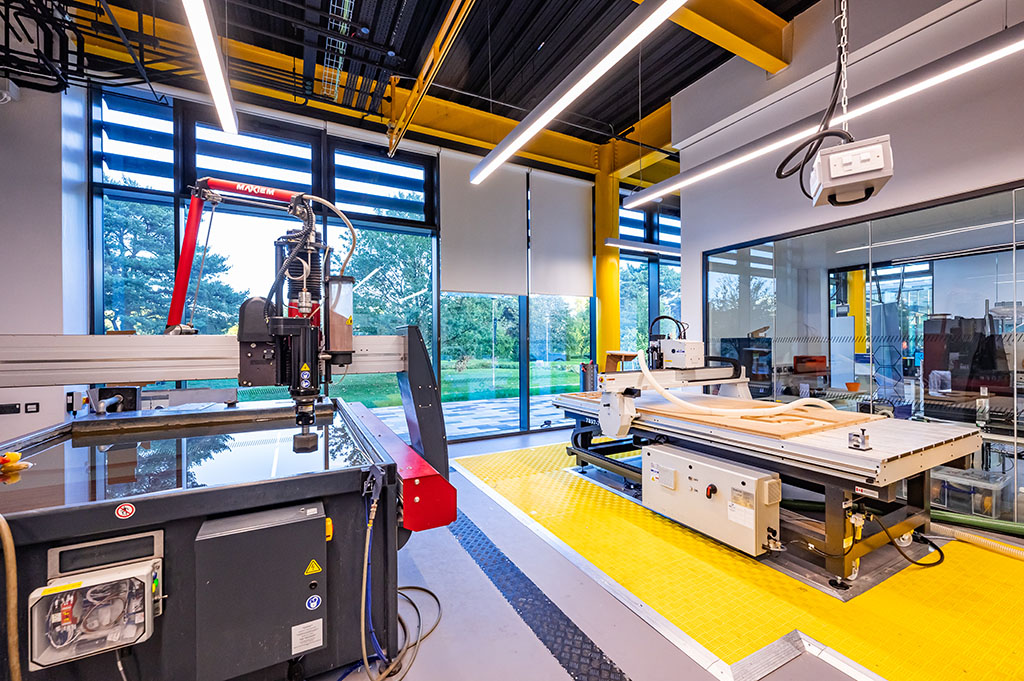
More about Maker Space
The University of Salford’s Maker Space is a state-of-the-art facility empowering students with practical, industry-ready skills. We are an open-access facility, dedicated to hands-on learning, innovation, and collaboration in STEAM (Science, Technology, Engineering, Arts, and Math). Equipped with advanced tools and cutting-edge technology, the Maker Space offers students a dynamic environment where ideas come to life. Here, students, staff, researchers and industry partners work together on real-world projects, gain essential experience in design and tooling, and build the skills needed to succeed in today’s engineering and technology sectors

The Maker Space is an open and inclusive facility where students can explore their interests and coursework by developing practical skills in digital fabrication from 3D printing, CAD design to laser cutting. To find out what we offer by visiting the Maker Space website to explore our workshops and programmes.
The Maker Space was established in partnership with Salford-based Morson Group, a world-leading engineering recruitment company. Through the Morson Group STEM Foundation we take an active role in inspiring future talent to consider a career in STEM by learning real-world digital fabrication skills in their studies.
Visit the Maker Space website.
Energy House 2.0
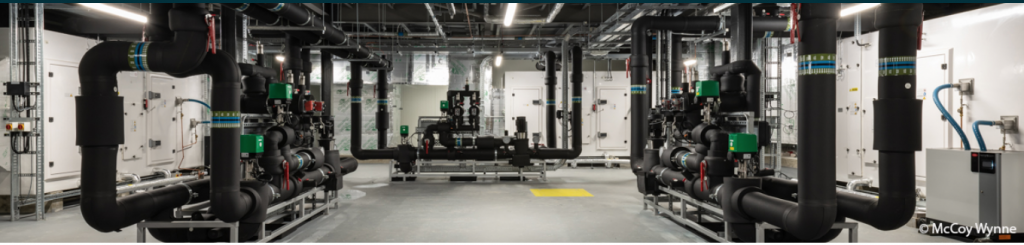
Join us for an exclusive tour of Energy House 2.0 – the only facility of its kind. This unique research environment features two full‑scale environmental chambers capable of recreating extreme climates, with temperatures ranging from –23°C to +50°C.
Sign up for the tour at the reception when arriving on the 12th of May. Spaces are limited, so secure your place as soon as you arrive at the conference to avoid disappointment.
Meet at 4pm on the 12th of May with colleagues in the foyer of the SEE building.
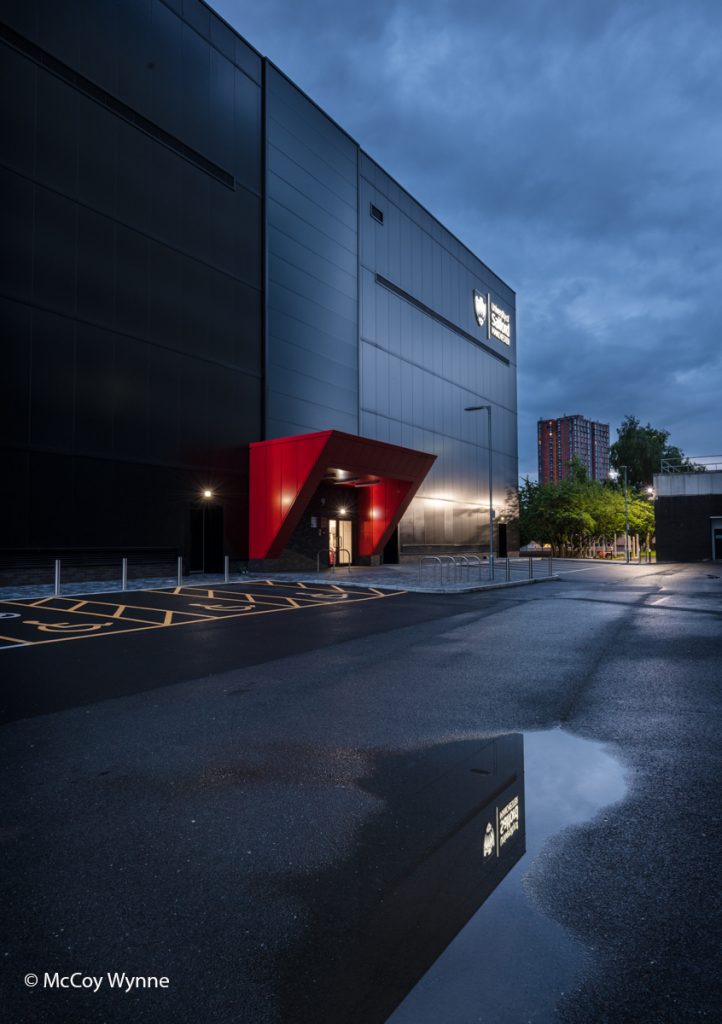
More about Energy House Labs
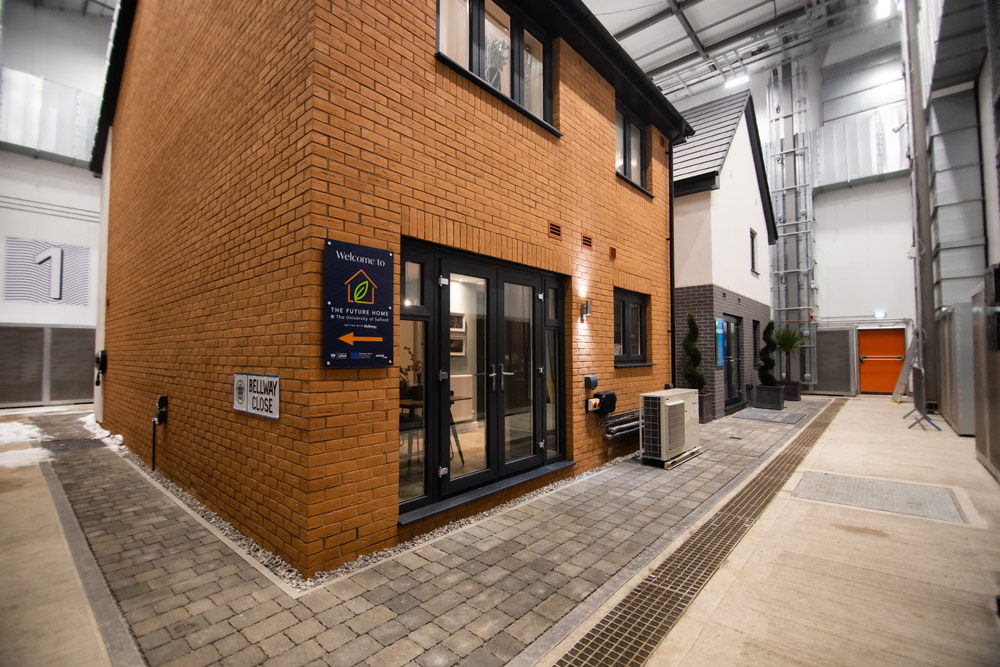
Chamber One contains two houses built to the Future Homes Standard, allowing researchers to test how homes of tomorrow perform under real‑world and extreme conditions. Chamber Two, currently under construction, will form part of the new Centre for Retrofit, supporting vital research into upgrading existing homes to meet net‑zero targets.
At the end of the conference, come along to explore this facility and learn more about the innovative work being carried out by the research team across four specialist laboratories. This is a rare opportunity to see cutting‑edge housing research in action and understand how it is shaping the future of sustainable, resilient homes.
Note: As temperatures can vary to those outside please bring layers.

13 May 2026
8:30-10am Day Opening Programme, SEE Building, Atrium / SEE Multifunctional Space
8:30-10am Arrival, registration, tea & coffee.
9:30am PGR Representative (title tbc)
9:40am Mike Carroll Director of JoVE Northern & Eastern Europe and Central Asia. “Bringing Research to Life: JoVE as a Tool for Postgraduate Learning and Discovery
Presentation by
JoVE is the world’s leading video-based platform for scientific research and education, featuring more than 30,000 videos.
For Researchers, JoVE is a productivity and training tool with step-by-step video demonstrations of experimental methods filmed in thousands of laboratories worldwide. By showing exactly how experiments are performed – not just reading them – JoVE helps researchers learn and refine techniques faster, reducing trial-and-error while saving time, resources, budget, and frustration.
For Educators, JoVE is a teaching platform that empowers educators to improve teaching effectiveness and student learning outcomes by preparing students before class, boosting their confidence, and keeping them engaged throughout their academic journey.
For Students, JoVE is an engaging learning resource that helps students better understand complex scientific concepts and see how science works in practice. With clear, visual explanations and real-world demonstrations, JoVE helps students come to class better prepared, build confidence in the lab, and improve academic performance.
JoVE log-in page JoVE Education Library JoVE Research Library
10-12pm Morning Sessions
Informatics
Cybersecurity and Networking: Resilience, Privacy, Connected Systems, and Intelligent Defence I
SEE Multifunctional space
Sulaiman Muazu with Sadaf Hina and Tarek Gaber
In today’s hyper-connected world, digital systems underpin everything from national infrastructure to personal devices. But with growing connectivity comes greater vulnerability. This special session dives into the critical challenges and innovations shaping the future of cybersecurity and networking, focusing on resilience, privacy, intelligent defence, and the security of connected systems.
Our digital environment is no longer static; it is adaptive, distributed, and increasingly intelligent. From smart cities and autonomous vehicles to global financial platforms, systems must now defend against threats that are faster, more sophisticated, and more unpredictable than ever. How do we build networks that bounce back from attacks? How do we protect privacy without compromising performance? What role can AI play in real-time defence? These are just some of the urgent questions we aim to explore.
This session welcomes fresh thinking and novel approaches, whether technical, theoretical, or interdisciplinary. Topics of interest include secure protocol design, AI-driven threat detection, privacy-preserving systems, IoT security, quantum-safe cryptography, and more. We also value perspectives that connect technology with ethics, law, and human behaviour, because cybersecurity is not just about systems, it’s about people.
We invite postgraduate researchers, early-career academics, and industry professionals to join the conversation. Whether you’re building algorithms, studying cyber policy, or securing critical infrastructure, your voice matters. This is a space to share ideas, get feedback, and find potential collaborators who care about building a safer digital future.
Speakers
M Johnson, Forensic Engine for High-Velocity Blockchain Investigations: A Constructive Design Approach to Solana Forensics
The accelerating growth of criminal activity within high-speed blockchain ecosystems presents a critical investigative challenge. Networks such as Solana enable transactions to be executed and obfuscated within minutes, leaving law enforcement and forensic analysts with an increasingly narrow window to detect, trace, and preserve evidence. By 2026, illicit cryptocurrency flows are estimated to have reached $158 billion, underscoring the scale of the threat. Existing investigative tools are largely designed to monitor wallet balances and surface-level transfers, leaving a significant visibility gap within complex smart-contract interactions. This “tool gap” prevents investigators from observing hidden asset movements embedded in Cross-Program Invocations (CPIs), where sophisticated attackers frequently conceal laundering activity. Simultaneously, the speed of modern blockchains creates acute time pressure, making manual analysis impractical and exposing the limitations of static, rule-based detection systems that adversaries can easily circumvent. To address these challenges, the primary research objective is to develop a specialized forensic engine that automates the real-time reconstruction of nested CPI calls.
This methodology advances the state of the art by transitioning from reactive address-based monitoring to proactive instruction-level tracing. The system introduces an advanced transaction-tracing methodology that examines internal smart-contract execution paths, enabling investigators to observe hidden asset flows that conventional monitoring fails to detect. This approach replaces rigid threshold-based detection with a machine-learning anomaly-detection model using an Isolation Forest architecture. By learning patterns from large volumes of legitimate transactions, the system autonomously identifies behaviors that deviate from expected norms. The framework is empirically validated using a Solana Local Validator environment, measuring performance through concrete outcomes including detection latency (milliseconds) and F1-score accuracy against simulated exploit scenarios. By prioritizing evidential reliability, the platform ensures analytical outputs are translated into court-ready evidence aligned with NIST and ISO 27001 guidance.
Built Environment
Roles of Co-Creation for Sustainable Housing Solutions
SEE 2.11
Muhammad Ladan with Dr Tanja Poppelreuter, Dr Uche Ogbonda and Dr Laura Coucill
Co-creation, widely explored across disciplines like psychology, art, and product design, fosters ownership and engagement among stakeholders. In urban design, it has proven useful in enhancing the “sense of place,” which in turn encourages deeper participation in the design process. This reciprocal relationship makes co-creation a vital tool in sustainable place-making.
This session will focus on co-creation and participation in the discourse of architectural design development and within the iterative process of Design Science Research. We welcome contributions that explore co-creation as a theory in architectural design, with examples of architectural or research projects that deploy participation as part of their process of development.
Topics of Interest Include:
- Design Science Research (DSR) and its application to architectural design development
- Iterative process of Design Science Research methodology and multidisciplinary theoretical approaches to the Design Science process.
- Contextualizing DRS through Research-Led Design with the principles of Hausa vernacular architecture.
- Participation theory – Co-creation as a tool for place-making/homemaking.
- Sense of place, cultural identity and sustainable housing delivery.
Session Objectives:
- Identify the differences between co-creation, collaboration & co-design within participatory theory and their functions within architectural discourse and DSR methodology.
- Demonstrate the role of participation and co-creation as tools for place making.
- Explore the theory of sense of place and cultural attachment as an incentive for participation.
Speakers
A Iqbal, Behind Veiled Walls: How does Karachi’s urban morphology help to facilitate honour killings, abuse and the blockage to escape?
This dissertation presents the first systematic spatial analysis of honour-based violence in a South Asian city, demonstrating that Karachi’s persistent colonial street grid and domestic compound design actively enable planning, execution, concealment, and prevention of escape in honour killings. Focusing on Lyari and Orangi Town, the two highest-incidence neighbourhoods, the study combines (a) space syntax configurational analysis (global/local integration, choice, and isovist modelling) of colonial-era (1897–1935) and present-day maps with (b) close reading of 28 published survivor testimonies from Aurat Foundation, Panah Shelter, HRCP, and Dawn archives (2018–2025). The research produces the first “escape-failure maps” showing how low-permeability routes to the nearest shelters (Panah, Chhipa, Darul Aman) structurally block women’s flight.
Objectives:
1.Trace the colonial origins of one-door homes and alley systems in prevalent high-risk areas.
2. Examine how these features enable honour killings using space syntax.
3. Map failed escape routes to safe houses and identify architectural barriers.
4. To correlate low integration and low visibility factors with survivor testimonies.
5. To demonstrate how colonial planning logics continue to serve patriarchal surveillance.
Innovative Scope & Original Contribution
No existing study has ever applied space syntax to honour-based violence, to domestic-scale analysis, or to any post-colonial South Asian context. By treating colonial urban form as an independent variable rather than a neutral backdrop, the dissertation shifts the explanatory frame from “cultural inevitability” to material complicity, providing the first empirical evidence that architecture itself is a perpetrator. The resulting integration maps, annotated with survivor voices, constitute a new methodological tool – “feminist spatial forensics” – transferable to other cities where colonial grids and gendered violence intersect.
The dissertation is therefore an original research contribution that bridges decolonial theory, spatial science, and survivor testimonies.
C Roberts, Feminist pushing participation: women’s contributions to the development of participatory design in the 1980s-1990s
This paper critically analyses how women in the UK contributed towards the turn to participatory design methods in planning, in the timeframe of 1980-1995, during the period commonly described as the Second Wave of feminism.
A significant push towards user participation in the design process was seen in the UK during the 1970s as part of the community architecture movement – for example, as a response to dissatisfaction with social housing. It was thought to improve the outcomes of the final design and became mainstreamed by the election of Rod Hackney (a key proponent of the community architecture movement) as President of RIBA in 1986. This push towards user participation can be understood as a precursor to the current incorporation of ‘co-creation’ as a method for improving designs and encouraging strong connections between people and the spaces they occupy.
Previous literature has explored developments in participatory design methods in terms of major social housing projects such as the Byker housing development (1969 -1983), however, the role of women in the development of participatory design has been sidelined in this history. This paper therefore explores how the groups Matrix, the Women’s Design Collective and the women in planning group at Greater London Council worked with a radically different approach for their time, questioning the traditional hierarchy between architect/planner and user.
P Nsanga Kivoulia, The Façade of Evil: Colonial Architecture in the Congo (Poster)
This dissertation investigates how colonial architecture in the Belgian Congo functioned as an ideological instrument of power through the design and representation of building facades. Rather than treating architecture as neutral backdrop to colonial administration, the research argues that facades operated as visual and symbolic interfaces through which authority, hierarchy, and European dominance were normalised within the colonial city.
The study focuses on Leopoldville (present-day Kinshasa) during the late colonial period, analysing three institutional buildings: the Palais de la Nation, the Central Post Office, and the Cathedral of Notre-Dame du Congo.
Using a qualitative, interpretive methodology grounded in architectural semiotics, the research draws on the theoretical frameworks of Michel Foucault, Henri Lefebvre, Gottfried Semper, and Roland Barthes.
Each façade is analysed across three semiotic levels – denotation, meaning, and myth – to examine how architectural form, scale, symmetry, and stylistic references contributed to the production of colonial authority as natural, legitimate, and enduring. The analysis demonstrates that classical monumentality, bureaucratic order, and religious symbolism were strategically employed to visually encode sovereignty,
administrative control, and moral superiority, while concealing the coercive and extractive systems underpinning colonial rule.
The dissertation introduces the concept of the “façade of evil” to describe how architectural aesthetics can participate in the normalisation of systemic violence without directly depicting it. By foregrounding the façade as a critical site of ideological production, this research contributes to architectural history and postcolonial scholarship, offering a framework for understanding how colonial power was spatially communicated, and how its material legacies continue to shape urban memory and postcolonial identity in contemporary Kinshasa.
12-1pm Lunch & Exhibition Stalls
SEE Atrium and SEE Multifunctional Space
1-3pm Afternoon Sessions
Informatics 2
Cybersecurity and Networking: Resilience, Privacy, Connected Systems, and Intelligent Defence II
SEE Multifunctional space
Sulaiman Muazu with Sadaf Hina and Tarek Gaber
In today’s hyper-connected world, digital systems underpin everything from national infrastructure to personal devices. But with growing connectivity comes greater vulnerability. This special session dives into the critical challenges and innovations shaping the future of cybersecurity and networking, focusing on resilience, privacy, intelligent defence, and the security of connected systems.
Our digital environment is no longer static; it is adaptive, distributed, and increasingly intelligent. From smart cities and autonomous vehicles to global financial platforms, systems must now defend against threats that are faster, more sophisticated, and more unpredictable than ever. How do we build networks that bounce back from attacks? How do we protect privacy without compromising performance? What role can AI play in real-time defence? These are just some of the urgent questions we aim to explore.
This session welcomes fresh thinking and novel approaches, whether technical, theoretical, or interdisciplinary. Topics of interest include secure protocol design, AI-driven threat detection, privacy-preserving systems, IoT security, quantum-safe cryptography, and more. We also value perspectives that connect technology with ethics, law, and human behaviour, because cybersecurity is not just about systems, it’s about people.
We invite postgraduate researchers, early-career academics, and industry professionals to join the conversation. Whether you’re building algorithms, studying cyber policy, or securing critical infrastructure, your voice matters. This is a space to share ideas, get feedback, and find potential collaborators who care about building a safer digital future.
Speakers
H Dopo, Explainable Machine Learning for Malware Analysis
Malware continues to increase in sophistication, leveraging obfuscation, packing, and evasion strategies that undermine the effectiveness of conventional signature-based detection methods. Although machine learning approaches have shown strong capability in static malware detection, their deployment in operational security and digital forensic settings is often limited by a lack of interpretability. This study examines the performance of tree-based machine learning models, specifically Random Forest and Gradient-Boosted Trees, applied to static Windows Portable Executable (PE) features, with an emphasis on explainability and forensic applicability. To address the limited empirical evaluation of explainable tree-ensemble models in PE-based malware detection, SHAP and LIME are used to derive transparent explanations of model decision processes. Experiments are conducted using cleaned benchmark datasets within a constrained cloud-based environment, evaluating classification accuracy, explanation efficiency, and integration into digital forensic workflows.
The results indicate that both models achieve high discriminative performance while consistently linking predictions to forensically relevant indicators, such as PE header irregularities and distributed opcode usage patterns. The findings reveal that interpretability varies across feature representations and demonstrate that explainable tree-based models can effectively support analyst triage, evidential reasoning, and transparent reporting. Overall, this study highlights the practical benefits of integrating robust classification models with complementary explainability techniques to enable scalable, defensible, and operationally viable malware detection. Index Terms – Random Forest, Gradient-Boosted Trees, SHAP, LIME, Portable Executable (PE) Features, Malware Detection, Digital Forensics.
N Nseobong Asuquo, Systematic Review of Cybersecurity and Privacy Concerns in Smart Home Systems
Smart home systems (SHS) face serious cybersecurity and privacy concerns that require a more sustainable solution. These systems are networks of connected devices within the home, including doorbells, smart locks, lighting systems, TVs, smartphones, Bluetooth devices, and CCTV. The growing use of smart home systems has made it one of the fastest‑growing segments of the Internet of Things (IoT), offering enhanced automation, convenience, and user management. However, these benefits come with significant cybersecurity and privacy challenges.
This paper presents a comprehensive examination of cyber threats, vulnerabilities, and privacy risks affecting smart home systems, drawing on an extensive literature review of 20 peer-reviewed studies published between 2022 and 2026. It identifies and classifies the most prevalent cyberattacks and associated access-control challenges in smart home systems, conducts a comparative analysis of the literature, and evaluates existing technologies, including Artificial Intelligence (AI)-integrated solutions. Traditional signature-based security mechanisms fail to detect emerging and sophisticated threats, while privacy protections are insufficient to prevent behavioural inference and misuse of personal data.Key cybersecurity problems identified in the literature include weak password policies, insecure firmware updates, vulnerable communication protocols, insufficient encryption, DDoS attacks that exploit resource‑constrained IoT devices, malware targeting embedded systems.
This paper presents a comprehensive analysis of cybersecurity and privacy challenges in smart homes, reviews recent peer‑reviewed literature from 2022 to 2026, and proposes a research framework for future work, including a research agenda and a conceptual framework to guide the development of secure, privacy‑aware smart home systems.
The objective of this paper includes the following
To conduct a systematic review of the most common cyber attacks and privacy issues in smart home systems.
To present a comparative analysis of 20 Peer‑Reviewed Papers (2022–2026), highlighting the Authors and their Approaches, tools, problems solved, and Identified Gaps.
A Adenihun, An Improved AES-based Lightweight Encryption Technique for Resource-constrained IoT Application
The rapid growth of the Internet of Things (IoT) has intensified the need for secure communication mechanisms tailored to resource-constrained devices. Although the Advanced Encryption Standard (AES) provides strong cryptographic guarantees, its conventional implementations introduce computational and energy overheads that limit efficiency in low-power IoT environments. While prior research has proposed lightweight block ciphers such as PRESENT and TWINE, these alternatives often trade standardisation, interoperability, or robustness for efficiency.
This study proposes an enhanced AES-based lightweight encryption framework that preserves the security strengths of AES while optimising performance for IoT applications. The framework integrates a Dynamic Encryption Key System (DEKS) that enables periodic symmetric key rotation using cryptographically secure pseudorandom generation and secure Transport Layer Security (TLS)-based distribution. This approach enhances forward secrecy and mitigates key reuse vulnerabilities common in static AES deployments.
A comparative evaluation of AES cipher modes—Cipher Block Chaining (CBC), Counter (CTR), and Galois/Counter Mode (GCM)—was conducted to determine the most suitable configuration for IoT systems. Experimental results demonstrate that CTR mode achieves the lowest execution time and reduced memory consumption while maintaining robust confidentiality.
The framework was validated through a Python-based graphical IoT simulation integrated with MQTT communication, demonstrating secure real-time sensor data transmission with minimal overhead. The proposed approach contributes a scalable, experimentally validated, and standards-compliant lightweight AES solution tailored for secure IoT applications.
This study contributes, a structured Dynamic Encryption Key System enabling forward-secure AES deployments in IoT an empirical performance validation identifying CTR mode as optimal for resource-constrained devices, and a practical GUI-based implementation demonstrating real-time secure communication.
Built Environment 2
Facilitating Digital Transformation: Enhancing Outcomes in Low-Adopting Sectors Through BIM
SEE 2.11
Hajar Moshfeghnia Touchaei with Professor Jason Underwood and Dr Mustapha Munir
While Building Information Modelling (BIM) has transformed many areas of the construction industry, several key sectors lag in adoption. This session focuses on opportunities, drivers, barriers, and challenges to digital transformation in low-adopting sectors such as housing associations, heritage, and SMEs. These sectors often face structural, cultural, and resource-based barriers to embracing BIM and other digital technologies. However, improving BIM uptake in these areas could lead to significant gains in efficiency, sustainability, asset management, and long-term value.
This session will explore both strategic and practical enablers of wider BIM adoption with specific focus on low-adopting sectors. It will examine the role of stakeholder engagement, policy alignment, digital capability building, and collaborative procurement models in facilitating transformation. It will also consider how BIM can enhance decision-making, communication, and outcomes across the lifecycle of low-adopting sector projects such as housing and heritage — including planning, retrofit, and maintenance.
Topics of Interest Include:
- Drivers, enablers, barriers and challenges of BIM adoption
- Stakeholder engagement
- Reskilling/upskilling and capacity building
- Data management
- Cross-sector learning and good practice
Session Objectives:
- Include perspectives from across the wider built environment sector, such as local authorities, SMEs, consultants, housing developers/providers, heritage practitioners
- Highlight the role of training, leadership, and cross-sector collaboration in driving meaningful adoption
- Foster knowledge exchange between researchers and practitioners working in digitally underdeveloped areas
- Contribute to the ongoing discourse around inclusive innovation in construction and challenge the assumption that BIM is only for large, well-funded projects
- Highlight pathways toward scalable, context-sensitive digital adoption that delivers long-term benefits for organisations, communities, and the built environment
We invite PGRs researching the built environment, digital construction, BIM, housing, heritage, civil and construction engineering, and digital transformation to submit their work and contribute to this session. Submissions exploring real-world applications, case studies, or strategies supporting digital uptake in low-adopting sectors are welcome.
Speakers
R Riley, Simulation in the Studio: Using VR-Based Visual Impairment Modelling to Enhance Architecture Students’ Perception of Accessibility of Heritage Sites
The need for inclusive design in architecture is essential in making the world more accessible for disabled people. However, it can be difficult for architects to understand the needs of disabled people. Existing research suggests one way to mitigate this is through experiential simulation, where participants experience a real time simulation of disabilities. Virtual reality (VR) is gaining popularity and may be able to simulate visual impairments more realistically than other simulation methods. There is a gap in research that use an authentic context in VR; existing simulations have been performed in a fictitious VR environment, and thus none have centred around heritage, where accessibility can be deemed more difficult to implement, or less important, than in modern architecture.
This paper closes this gap by providing a cohort of Master of Architecture students and staff at University of Salford with an experiential simulation of several visual impairments via VR. The simulation is set in Portmeirion- a village in Wales with high cultural importance which has been previously visited by all participants. In the simulation, participants first moved around the Portmeirion VR model with no impairments, then looked around the model overlaid with filters simulating symptoms of cataracts, colour-blindness, loss of visual field, and loss of central vision.
Pre-and post-simulation questionnaires focussed on participants empathy towards visually impaired people; it also questions how important participants think accessibility is for cultural heritage sites. Descriptive statistics of the Likert-scale responses measure the impact of the simulation on participants empathy and perceived importance of inclusive heritage environments.
Overall, the research provides a methodology for experiential simulation of visual impairments in a university environment, offering a contribution to inclusive design pedagogy. It answers whether an experiential VR simulation of visual impairment measurably improves architecture students’ empathy and perceived importance of accessibility in heritage environments.
H Moshfeghnia Touchaei, Enabling BIM Adoption in Low-Adopting Sectors: A POPIT-Based Framework for UK Housing Associations
The UK housing association sector is under growing pressure to modernise asset management in response to evolving safety legislation, sustainability targets, and digital transformation agendas. Despite national standards such as BS EN ISO 19650 and sector-specific guidance like the BIM4HAs Toolkit, many housing associations struggle with data management, limited digital skills and training, inadequate organisational readiness, and cultural resistance to change. Providers are required to comply with new regulatory expectations under the Building Safety Act and the Golden Thread of information.
This paper investigates the barriers, enablers, and readiness factors shaping BIM adoption within housing associations. Using the People–Organisation–Process–Information–Technology (POPIT) framework as a conceptual lens, the study examines how organisational structures, leadership behaviours, information workflows, digital capability, and technological infrastructure interact to influence BIM adoption in a sector dominated by retrofit activity, asset management, and resource constraints.
The research highlights several recurring challenges, including financial limitations, digital skills gaps, complexity of standards focused on new-build contexts, fragmented data systems, and organisational resistance to ISO 19650. However, it also reveals emerging opportunities, such as Golden Thread & Safety Compliance, lifecycle asset management, Energy Efficiency & Sustainability, Cost & Lifecycle Efficiency, Stakeholder Collaboration, and Resident Experience.
Building on these insights, the paper proposes the development of a BIM Adoption Framework tailored to housing associations. The framework provides a structured pathway for assessing digital maturity, identifying capability gaps, and taking targeted steps toward BIM adoption. It serves as both a diagnostic tool and a strategic guide for improving information management.
The study contributes to ongoing digital transformation by addressing a gap in the research relating to socially oriented, low-adopting sectors. It supports practitioners seeking realistic, context-sensitive approaches to digital adoption that enhance long-term value, safety, and efficiency within the UK housing association sector.
Keywords: BIM adoption, housing associations, ISO 19650, POPIT, BIM4HAs
L Zhao . Advancing Circular Economy Practices: Policy Initiatives and Economic Feasibility of Circular Procurement in the UK Public Sector
This research aims to investigate how circular-economy principles can guide procurement strategies implemented within the UK’s public sector. It examines the feasibility of Circular Public Procurement (CPP) by analysing the perspectives, attitudes, and influence of key stakeholders across the procurement supply chain. Since the public sector is an important consumer in the economic system, it has a huge potential to promote the use of sustainable products and lifestyles. To achieve the 2050 net-zero target and 2030 Sustainable Development Goals, strengthening the application of circular procurement in the UK public sector will help to accelerate the transition to a circular economy in the UK and achieve the GHG reduction target. Current legislation, including the Procurement Act 2023, provides limited guidance on circular economy. This gap underscores the need for clearer definitions, frameworks, and evidence.
The study has two main objectives:
- Develop a clear and academically grounded definition of CPP, addressing fragmented terminology and conceptual ambiguity in existing literature. This contributes directly to theory-building and policy clarity.
- Conduct sector-specific empirical evidence by investigating CPP practices, as well as the barriers and challenges behind them, to figure out the potential opportunities of transition to a more circular way of the UK public procurement.
- Investigate the perceptions and attitudes of stakeholders towards circular public procurement, and map out their influence on the decision-making and implementation of circular public procurement policies.
By exploring stakeholder attitudes, challenges, and drivers, the research identifies what enables or hinders CPP adoption in real organisational contexts. The findings aim to support government efforts to strengthen circular economy policy, fill the current gap in procurement-related legislation, and provide key empirical evidence from the public sector perspective. Ultimately, the study will contribute a new conceptual clarity, practical insights, and policy-relevant evidence to advance sustainable and circular public procurement in the UK.
I. Gunasekara. Enhancing Confidence in UK Residential Energy Retrofit Investment Through Digital Risk-Based Decision Support
To achieve the UK’s 2050 decarbonization goal, it is essential to accelerate residential building energy efficiency retrofitting. Even with the well-known positive environmental impact and long-term economic potential of retrofit adoption, it remains insufficiently widespread. The major hindrance to retrofit adoption is fear among homeowners and investors due to perceived investment risks, uncertainty about payback periods, concerns about policy changes, and concerns about lower-level technical performance.
In the aim of exploring potential benefits of digital, risk-based decision-support strategies to increase investment confidence and facilitate the strategic implementation of residential energy retrofits in the UK, this study adopts a qualitative, exploratory approach, grounded in a structured review and synthesis of the existing literature. To reduce the uncertainty during the early stages of retrofit decision-making, this study examines how to use energy performance modelling, simulation-based assessment, and formalised risk assessment frameworks aligned with UK retrofit standards such as PAS 2035.
Md M Rahaman, From Data to Decisions: Conceptual AI Framework for Real-Time Project Performance with NEC ECC Contract
This paper presents a conceptual AI Framework for Real-Time Project Performance (AiN-RTP) management, specifically engineered for the unique contractual dynamics of the NEC ECC Option A (Activity Schedule) and Option B (BOQ). The objective of this paper is to move project control from retrospective reporting to proactive, data-informed intervention, aligning technological capability with the principles of NEC contractual governance. The framework is a multi-layered architecture that integrates diverse data streams like Digital Twin models, real-time IoT sensing, and financial data with a core AI Analytical Engine. The innovative scope and contribution to knowledge lie in two areas – a) contractual NLP integration and b) differentiated contractual utility. The framework incorporates a Natural Language Processing (NLP) subsystem to analyse past data of historical projects and unstructured text from Early Warning (EW) notices and Compensation Event (CE) proposals, providing a probabilistic risk severity score that forecasts delay with potential time and cost impacts before formal assessment or actual occurrence. This framework would provide distinct value streams for NEC Options A and B. For both the options, live project data is verified by AI to deliver a transparent project performance with an objective Estimated Final Cost (EFC) forecast, margin visibility, and deviation control against the lump sum scope or as per the quantity. In either of the scenarios, the AI breaks down the cost and timeline. This conceptual AI framework is validated through a synthesis of peer-reviewed literature and a qualitative industry expert workshop. This paper’s original research contribution is the theoretical foundation for implementing a cohesive, AI-driven governance system that enforces the collaborative and forward-looking spirit of the NEC contract, Option A and Option B, respectively, drastically reducing reactive disputes and improving project predictability.
The findings of this study indicate that digital decision tools significantly improve transparency, predictability, and risk awareness by translating complex technical and financial information into clear, evidence-based outputs for homeowners and investors. To strengthen trust in retrofitting and reduce the perceived investment risk, aligning with digital risk assessment can be beneficial.
The study demonstrates that when digitalization is positioned as a risk-management and confidence-building mechanism rather than merely a compliance or design aid, it can positively influence retrofit adoption.
The research offers practical implications for policymakers, retrofit practitioners, and investors by highlighting how digitally enabled, risk-based assessment processes can support more confident investment decisions and increase the uptake of residential energy retrofitting in the UK.
5:00 Conference Dinner
Atmosphere Bar, Student Union Building
May 14 2026
8:30-10am Day Opening Programme
SEE, Building Atrium and SEE Multifunctional Space
Arrival, registration, tea & coffee
10-12pm Morning Sessions
Climate and Construction
Leveraging Digital Tools to Improve Productivity and Performance in the Construction Industry
SEE Multifunctional space
Benedict Oluseye Olokede with Dr Amanda Marshall-Ponting and Dr Shaba Kolo
The construction industry remains a cornerstone of national economies, playing a critical role in socioeconomic development. In the post-COVID era, the sector has faced increasing challenges, particularly in construction project management, with cost overrun, time overrun and inefficiency becoming more prevalent. At the same time, end users are demanding more sophisticated designs and higher functional performance from built facilities and assets. These evolving expectations necessitate a proactive and innovative response from industry stakeholders.
This session will focus on the latest research aimed at improving construction productivity, efficiency, and performance through the adoption of advanced technologies. It will focus on the role of digital innovations in improving project delivery and optimising value across the project lifecycle. Specific attention will be given to cutting-edge developments in construction planning, processes, and management, e.g. Machine Learning (ML), Artificial Intelligence (AI), Augmented Reality (AR), Blockchain, Internet of Things (IoT), Building Information Modelling (BIM), Automation, and Lean Construction Methodologies.
We invite papers that investigate how recent technological advancements are reshaping construction cost planning and management practices, improving scheduling and cost optimisation, and driving continuous improvement in construction processes. Contributions that combine theoretical insights with practical applications are especially encouraged, as are case studies demonstrating measurable impact.
We invite papers on the following areas:
- Construction Cost Management Practices in the Construction Industry
- Optimising Construction Processes Using Technological Solutions
- Revolutionising Construction Efficiency and Productivity: A Comprehensive Review of Cost Management Software
- Integrating Digital Technologies for Effective Cost Planning and Cost Control of Building Projects
Session Objectives:
- Provide a robust understanding on how the application of digital tools can assist in improving materials allocation difficulties, team coordination, project planning techniques and enhance overall construction practices
- Review studies on how technological developments are transforming construction cost management practices
- Examine the role of technology in reshaping and optimising construction processes.
- Investigate how digital tools can advance lean construction practices and continuous improvements to deliver increased productivity.
Speakers
I Abaji, The Professional Implementation of Thermal Imaging in the UK Retrofit Industry
This paper presents findings from a questionnaire study examining the professional implementation of thermal imaging (TI) within the UK retrofit industry. While TI is widely recognised as a valuable diagnostic tool for identifying heat loss and performance defects, its use in retrofit practice remains inconsistent and largely informal. Existing research has focused predominantly on the technical capabilities of thermography, offering limited insight into how TI is understood, applied, and integrated by practitioners in real-world retrofit contexts. This study addresses this gap by investigating practitioners’ familiarity, confidence, training, access to equipment, communication practices, and perceived barriers affecting the adoption of TI.
Data were collected from 31 professionals across the UK, including surveyors, contractors, retrofit coordinators, policy specialists, and researchers. The findings reveal a clear disparity between awareness of TI and its routine application in retrofit workflows. Key barriers include high equipment costs, limited access to certified training, inconsistent interpretation skills, and weak integration of TI within established standards and assessment frameworks. Although participants highlighted the communicative and trust-building value of thermal imagery, results are often poorly embedded in decision-making and quality assurance processes.
The significance of this study lies in providing empirical evidence of the systemic and institutional factors constraining the effective use of TI in retrofit practice. By foregrounding professional realities rather than technical performance alone, the paper informs the development of more robust training pathways, standardised reporting approaches, and regulatory integration strategies. These insights support efforts to enhance retrofit quality, evidence-based decision-making, and the wider adoption of thermal imaging within the UK housing sector.
B Olokede, Emerging Technologies for Improved Construction Cost Management in the Construction Industry
The construction industry continues to grapple with challenges relating to cost and time overruns. Meanwhile, delivering construction projects within budget and the expected timeframe with specified quality are some of the hallmarks of a successful project delivery. However, this seems practically impossible or rather difficult to achieve. Unsurprisingly, industry stakeholders are increasingly demanding project cost efficiency, sustainability, and improved project delivery; therefore, there is an urgent need for the industry to meet these demands. In response, emerging digital technologies, such as building information modelling, big data analytics, machine learning, and artificial intelligence, have been widely suggested as transformative tools capable of enhancing construction cost management practices.
This study investigates the role of digital technologies in improving construction cost management through a comprehensive review of existing literature. Employing a secondary data approach, the research will utilise statistical methods to analyse and synthesise findings from previous studies. The anticipated outcomes aim to offer actionable insights for reducing cost overruns, fostering sustainable cost management, and enhancing overall project delivery. Also, the study’s findings are expected to contribute to the existing body of knowledge by enhancing and transforming construction cost management practices, thereby enabling professionals to deliver more efficient, cost-effective, and successful projects.
AM Esfahan, Digital theorisation of Construction Cost Management through a Customised BI-Driven PMIS: A Practitioner-Led Case Study
Informed decision-making remains a critical challenge in construction project management, hindered by fragmented data, limited transparency, and delayed reporting cycles. This practitioner-led case study presents the implementation of a customized Project Management Information System (PMIS) designed to digitally automate construction cost management. Developed by the author in the dual role of Construction Project Manager and Information Manager, the system directly replaces disconnected replacing disconnected spreadsheets and manual workflows for BOQ management, subcontractor payments, progress measurement, and financial forecasting.
The solution utilizes Microsoft SharePoint Lists for data gathering, Nintex Workflow for automation, and real-time BI reporting, supported by multi-source database integration via SQL Server Services, SSIS, and SSAS. Key implementation challenges successfully overcome included synchronizing WBS with CBS using the Fehrest Baha Classification (Iranian Master Format) and building a structured data warehouse by integrating BIM data, quantity surveys, project controls, and on-site cost data.
The primary objectives achieved were: Enabling predictive cost control through automated Earned Value Management (EVM), calculating CPI and SPI indexes.
Creating structured datasets serving both the general manager (for financial KPIs like NPV/IRR) and accounting team as a single source of truth.Developing resource optimization by assessing labor and material efficiency against WBS estimates.
Following an Action Research methodology, data was collected through user interviews, comparative documentation analysis, and systematic observation.
Findings demonstrate the system provides an agile and dynamic environment, allowing straightforward data adaptation to evolving requirements. This flexibility, coupled with enhanced information accessibility, accuracy, and interoperability, has led to a marked improvement in overall information quality. Outcomes include substantial reduction in reporting time, elimination of manual errors, enhanced credibility, and the establishment of a standardized multi-disciplinary framework that substantially strengthens financial decision-making processes. The study provides a replicable model for digital transformation in construction cost management.
M Duhu, A comparative Analysis of Cost Overrun Perception among Key Project Stakeholders in Downstream Oil and Gas Sector, Nigeria
Cost overrun is a longstanding worldwide issue that affects both developed and developing countries. Its comprehension requires a vivid appreciation of how various stakeholders perceive the root causes as this shape how they approach and mitigate it. Despite the numerous studies on cost overrun, there is limited attention to how client, contractors, subcontractors, consultants and project managers perceive its root causes particularly in the downstream oil and gas sector. Hence, this study examines the perception of cost overrun amongst key project stakeholders using eight categorised causal factors obtained from 32 causes of cost overrun established in literature. A quantitative research method was adopted using a structured questionnaire survey administered purposively to stakeholders from three downstream oil and gas megaprojects. Out of 286 administered questionnaire, 213 responded (206 valid) with a 74.4% response rate. Relative Importance Index ranked the severity of each causal category. Levene and Kruskal-Wallis tests assessed perception differences across stakeholders. Post-hoc analysis (Dunn BH and Tukey HSD) established specific group differences.
Findings reveal that market and external factors ranked 1st (RII=0.78), design and scope changes ranked 2nd (RII=0.75) and execution and implementation challenges ranked 3rd (RII=0.70). Four causal categories showed significant perception amongst the stakeholders: preliminary stage challenges (p=0.0176), tendering and contract challenges (p=0.0394), bureaucratic & regulatory challenges (p=0.0095) and cultural & trust issues (p=0.0227). Post-hoc comparisons revealed that the subcontractor consistently perceived greater severity in the four significant causal categories as compared to other stakeholders. This implies the subcontractor suffers more from the impact of cost overrun due to his role as the ground man who implements distinct aspects of the project and faces the dynamism of the market. Therefore, the study recommends early involvement of all stakeholders particularly the subcontractors in front end planning of the project.
Biology and Wildlife
Managing Urban Planning in Cities and the Impact on Inclusivity and Sustainability
SEE 2.11
Emma Louise White with Dr Rosie Anthony
Due to the rising population in urban areas all over the world and an estimated ten billion people by the year 2050, there is a need for managing urban planning and the implications on inclusivity and sustainability. The COVID-19 pandemic highlighted the vital need for urban green infrastructure (UGI) and the positive impact it has on our general well-being. Furthermore, research into green spaces and mental and physical health increased significantly post-COVID-19. However, there are major gaps in research on how urban planning and development impacts inclusivity, particularly marginalised groups such as the disabled and elderly populations, and sustainability practices.
This session will look at the current impact of urban planning in cities with a focus on sustainability and inclusivity. In particular the session will focus on marginalised groups including gender, age, race, and disability. Research has highlighted major gaps in these areas.
Session objectives:
- To assess a range of urban planning schemes, such a city parks and creative projects, to ascertain their value to multiple audiences and the impact on sustainability.
- To make recommendations for the future about what cost effective adjustments can be made in planning, that have a positive impact on sustainability whilst also implementing inclusive practices.
- To educate other PGRs about the impacts urban planning has on inclusivity and sustainability and what can be done in the future.
- To engage the PGRs in a discussion about the impacts of urban planning and what their own thoughts and opinions are.
This session aims to attract any papers that focus on urban planning or development in cities, urban green infrastructure in cities, sustainable development, inclusive planning, sustainability in cities, the impacts of urban planning, or any papers relating to architecture and urban planning.
Speakers
S Armstrong, Characterisation of sound recording devices for evaluating noise affecting wildlife in urban environments
Noise is highlighted by the World Health Organisation (WHO) as the second most harmful environmental pollutant with a growing body of evidence demonstrating its negative impacts on human health. UK policy, guidance and standards prescribe acceptable noise levels, manage noise as a statutory nuisance and regulate noise-intensive activities via licensing. Human-centred noise monitoring is therefore tightly controlled, with measurement standards governing the precision of instrumentation. However, there is limited consideration to the effects of noise on wildlife. Non-human animal species produce, perceive and use acoustic signals differently to humans, across a much broader spectrum meaning the protections in place may not sufficiently safeguard animals. With human hearing being limited to what we term the audible range and being reflected in our regulations and instrumentation, infrasonic and ultrasonic sounds may be vastly underestimated.
Long term passive acoustic monitoring (PAM) and direct sound measurements of environmental soundscapes with handheld devices to record audio are an essential component of wildlife and biodiversity monitoring. With the application of artificial intelligence, with applications such as automated identification of species and habitat health indicators, the use of digital audio recordings has accelerated. Devices previously designed for presence/absence surveys are becoming progressively more relied upon for other uses such as noise monitoring to inform wildlife protection. This paper reports the results of standard test procedures used for human-focused equipment, applied to wildlife audio recorders to evaluate their suitability for monitoring noise affecting wildlife within an existing regulatory framework.
P Rezaie, Urban Heat Island Mitigation through Pavement Technologies and Shading: A Thermal Comfort Study of Alameda Square, Seville
The increasing effects of Urban Heat Island (UHI) in high-density and historical neighborhoods have been a growing concern recently. Public squares play a vital role in supporting social interaction and entertainment; however, these spaces are under heat stress. In Seville’s Casco Antiguo district, such conditions especially exist in large historic squares. In this study, Alameda Square in northern Casco Antiguo was evaluated to improve thermal comfort. This square is the largest and most important social gathering place for locals and tourists, with a long bike path and streets that face discomfort. Few studies assess mitigation strategies in historic Mediterranean squares. In this study, thermal conditions in the square are examined using both on-site measurements and ENVI-met simulations. Key thermal parameters such as air temperature (AT), globe temperature (GT), surface temperature (ST) and mean radiant temperature (MRT) were monitored, and the Universal Thermal Climate Index (UTCI) was selected as the most widely used in outdoor thermal comfort studies.
Three pavement strategies and one shading solution will be modeled: 1. Reflective pavements, 2. Photovoltaic-integrated pavements with vegetation, and 3. Paved grass and canopies in the gathering places of the Alameda Square. These strategies were selected based on a balance between intervention limitations in the historic district and effectiveness of the strategies used based on existing literature. Comparative simulations will explore potential improvements in thermal comfort before and after implementing mitigation strategies. Preliminary results show that interventions can reduce Land Surface Temperature (LST) above 4.30°C, UTCI between 2.20°C–3°C, and decrease MRT by 7.8°C–10.6°C. This combined approach suggests a sustainable route for restoring historic Mediterranean urban areas, contributing positively to sustainability and social inclusion.
V Thomas-Pickles, Assessing the extend of Ecological Justice within Green Infrastructure realisation: A Coventry case study (Poster)
Despite Green Infrastructure (GI) presenting significant potential for providing diverse human and ecological benefits, realisation repeatedly reinforces existing (ecological) injustices. Not only does this materialise through uneven benefit distribution, but also from decision-making processes that typically disproportionately favour already privileged groups at the expense of marginalised human and ecological communities. Concerningly, limited studies to date have explored the extent of such challenges, including for the city of Coventry, UK. This study aims to bridge this research gap, utilising semi-structured interviews with urban practitioners (n = 14) working on GI in Coventry. Reflexive Thematic Analysis includes theoretical engagement with Ecological Justice, while remaining open to alternative understandings and interpretations of justice in the GI context. This provides greater analytical flexibility to engage with diverse perspectives of practitioners and increases compatibility with existing socio-political contexts.
Thematic analysis identifies two themes that collectively raise how existing GI realisation leaves certain human and ecological communities overlooked and undervalued.
Firstly, contested and contradictory community roles highlights how structural challenges limit depth of authentic, inclusive community engagement. This includes short-term development agendas being prioritised over long-term community need, and a growing reliance on communities during maintenance stages potentially exacerbating existing injustices as engagement becomes tied to capacity. The second theme, ecology as silenced and sometimes catalysers, raises how anthropocentric agendas result in ecology being instrumentalised and largely overlooked throughout realisation. While promising that there are cases where ecology can disrupt dominant approaches, there remains a need to question the underlying value judgements that shape this. Three recommendations are outlined for transitions towards ecologically just GI. Community-derived knowledge should be integrated into decision-making utilising participatory methodologies to co-produce GI. Such involvement should occur from the outset, countering current late-stage reliance during maintenance. Finally, ecological visibility should increase in policy and practice, aided by enhanced enforcement.
MdT Hasan, Cultivating a Change: Public perceptions of integrating food-growing to reform public green spaces in Sheffield. (Poster)
Urban food-growing is increasingly promoted as a strategy for enhancing urban resilience, biodiversity, and food security, yet its integration into everyday public green spaces remains limited and underexamined. In the UK, food-growing is still largely framed as temporary, community-led, or peripheral, rather than as a legitimate component of mainstream urban green infrastructure. This research offers an original contribution by positioning public perception as a central determinant of the acceptability and feasibility of integrating food-growing interventions into public green spaces, using Sheffield as a case study.
Employing a mixed-methods approach, the study combines a structured questionnaire with closed- and open-ended questions alongside a visual survey component. Data were collected from 412 Sheffield residents aged 18 and above through online and in-person surveys. Statistical analyses, including correlation and regression models, were used to examine how sustainability awareness, land-use priorities, intervention preferences, and policy constraints shape public attitudes, while qualitative responses provided interpretive depth.
The findings reveal strong public support for integrating food-growing into public green spaces, with over 90% of respondents recognising its value for placemaking, social cohesion, education, and community wellbeing. Crucially, the study demonstrates that social and civic benefits outweigh environmental motivations in shaping public acceptance, challenging dominant policy narratives that frame urban food-growing primarily through ecological or productivity-based lenses. Nonetheless, concerns related to governance, safety, land-use conflict, and long-term economic viability highlight persistent structural barriers to implementation.
By empirically linking public perception, policy feasibility, and landscape design, this study advances urban food scholarship and reframes food-growing as a permanent, publicly negotiated landscape intervention rather than a marginal or temporary practice. The research offers actionable insights for urban geographers, planners, landscape architects, and policymakers seeking to develop inclusive, resilient, and publicly supported urban food-growing strategies.
10-1pm Lunch & Exhibition Stalls
SEE Building, Atrium
1-3pm Afternoon Session
Climate and Construction
Applying ISO 45001 to Assess Safety Practices and Risk Perception in Nigerian Petroleum Refineries
SEE Multifunctional space
The oil and gas sector generates substantial export earnings and is a major contributor to the economic development of many countries. This industry, especially petroleum refineries, is characterised by its complex operating environment, which has a high exposure to risk where human error, process failure, or technical faults can lead to a disastrous incident that can have an impact on the economy, humans, the environment, and loss of operational activities.
Applying advanced technological processes to improve safety procedures in the oil and gas industry, with ineffective systematic procedures and processes such as poor communication, inefficient organisational culture, and lack of leadership commitment, can increase or lead to accidents in the workplace (Alsehaimi et al., 2025; Tayab et al., 2024). Therefore, achieving meaningful improvement in industrial safety requires a holistic approach that not only includes technical safeguards but also considers behavioural, organisational, and systemic factors.
This session will focus on exploring and evaluating the impact of safety management system practices, safety culture, and workers’ risk perception on safety outcomes in petroleum refineries in Nigeria using a structured evaluation framework such as ISO 45001:2018.
A profound commitment to understanding the socio-economic consequences of having safe and productive operations in Nigerian petroleum refineries, as well as promoting occupational health and safety in the industry, is very important.
Session objectives:
- To propose using ISO 45001:2018 structured recommendations to enhance safety management practices and improve safety performance within Nigerian petroleum refineries.
- Evaluate the existing safety culture and risk perception of workers in the Nigerian Oil and Gas Industry (petroleum refinery).
- Identify Nigeria’s current limitations in implementing the elements of the International structured Occupational Health and Safety Management System ISO 45001:2018.
Speakers
A Kolade, Sustainable Supply Chain Management: A Case Study of the Nigerian Downstream Oil Sector
The petroleum industry is key in the global economy; it also represents a significant aspect of Nigeria’s economic productivity and development plans. More than 70% of energy demand in the country is derived from petroleum product and its derivatives. The national distribution of petroleum products has since tilted towards road tanker trucks, pipelines and waterways transport in Nigeria since the abandonment of rail lines in the 1990’s which was a more sustainable distributing means and has witnessed environmental and social burden such as oil spillages incidences, property loss, air pollution, and associated emissions. In ensuring a sustainable distribution of petroleum products, it involves a strategic commitment to uninterrupted consumer supply at competitive prices and uncompromised quality, achieved through logistics processes characterized by efficiency, flexibility, adaptability, and resilience.
This research is a study of the downstream marketing and distribution operation of refined petroleum products in Nigeria and to answer specific research questions, a comprehensive review of related literatures based on the guidelines of Preferred Reporting Items for Systematic Reviews and Meta-Analyses was carried out using web of science, google scholar and science direct database, and after the screening process a total of 81 papers was considered for eligibility for a full text review.
To get a balanced perception that meets the objectives of this study, a structured study survey and expert interviews with stakeholders in the downstream oil supply chain will be carried out and an integrative framework using a systems thinking approach will be developed.This study situates logistics agility and resilience within broader sustainable development goals (SDGs) and nationally determined contributions, particularly SDG 7 (affordable and clean energy), SDG 9 (Industry, innovation, and infrastructure) and emission reduction. It recommends effective supply chain coordination among stakeholders, policy reforms, infrastructure revitalization, and digital integration to optimize Nigeria’s petroleum logistics chain.
Biology and Wildlife 2
Seagrass Solutions: Harnessing Coastal Ecosystems for a Sustainable Future I
SEE 2.11
Samuel Thom with Mariana Do Amaral Camara Lima
Seagrass meadows, hidden beneath coastal waters, are powerful yet underappreciated ecosystems that provide vital ecological, economic, and climate benefits. As blue carbon ecosystems, they sequester carbon at rates faster than tropical forests, enhance biodiversity by serving as nurseries for marine life, protect coastlines from erosion, and support sustainable fisheries. However, these essential habitats are rapidly declining due to pollution, development, and climate-related pressures.
This session invites postgraduate researchers (PGRs) from across disciplines to explore the multifaceted value of seagrass and share innovative approaches to its study, protection, and restoration. By fostering collaboration across marine science, environmental policy, coastal engineering, and community engagement, the session will highlight how academic research contributes to real-world solutions for marine conservation and climate resilience.
Topics of Interest Include:
- Seagrass mapping, monitoring, and restoration techniques
- Ecosystem valuation and blue carbon accounting
- Biodiversity and ecological function of seagrass meadows
- Coastal protection and nature-based climate solutions
- Socio-ecological approaches and community-led conservation
- Policy development and management strategies for seagrass protection
- Communication and outreach for marine ecosystem awareness
Session Objectives:
- Showcase interdisciplinary research advancing seagrass conservation and restoration.
- Explore the ecological and societal roles of seagrass in climate adaptation and biodiversity protection.
- Encourage collaboration between researchers, practitioners, and policymakers to co-design solutions.
- Highlight the role of public engagement and science communication in raising awareness of blue carbon ecosystems.
This session provides a platform for PGRs working in marine biology, environmental science, coastal governance, and related fields to contribute to a shared mission of safeguarding coastal ecosystems for a sustainable future.
Speakers
J Filho, Coexistence or Competition? Fourteen Years of Seagrass-Macroalgae Interactions in a Tropical Coastal Meadow
Seagrass–macroalgae interactions are often considered antagonistic, yet evidence suggests they can also be neutral or facilitative, particularly in tropical systems. In 2010, field surveys at Catuama Beach, on the north coast of Pernambuco, Brazil, revealed that the seagrass Halodule wrightii was being replaced by macroalgae, particularly species of the genus Halimeda. This observation motivated the present study, which compared seagrass population traits and morphometric parameters, as well as macroalgal community composition and functional traits, between 2010 and 2024. Contrary to the initial expectation of decline, H. wrightii exhibited substantial increases over the 14-year interval: shoot density rose by 182%, shoot length by 43%, and total biomass by 23%.
In contrast, total macroalgal biomass remained stable, but the community underwent a complete turnover in species composition and shifts in functional traits, with Halimeda spp. becoming the dominant substrate. These changes suggest that H. wrightii may exert a filtering effect on associated macroalgae, favoring species adapted to different light and nutrient conditions. The restructuring of species composition and traits underscores the role of trait-mediated interactions and indicates that seagrass–macroalgae dynamics are more complex and context-dependent than previously assumed, potentially including facilitative effects under certain environmental scenarios. Overall, this study demonstrates that seagrass–macroalgae interactions are not uniformly competitive and can contribute positively to ecosystem resilience, biodiversity maintenance, and coastal management in tropical regions.
I Elton, The effects of eutrophication on the photosynthetic efficiency and leaf structure of Zostera marina
Seagrasses are indicators of healthy marine ecosystems, providing an array of ecosystem services including coastal protection, nutrient cycling, improving water quality and carbon sequestration. They are also essential nurseries and habitats for the juvenile and larval stages of commercially and recreationally important fish species. Despite their ecological and socio-economic importance, one third of global seagrass beds have declined in the past 100 years, largely due to human activity. Threats to seagrass ecosystems include fluctuations in temperature and salinity, however, it is eutrophication that is widely considered the primary driver of seagrass loss. This process occurs due to the nutrient enrichment of marine systems, often due to anthropogenic activity including urban and agricultural development. In particular, ammonia toxicity often arises from nutrient enrichment and has serious deleterious effects on seagrass photosynthesis and pH regulation.
This study investigates how nutrient enrichment and ammonia toxicity affects photosynthetic efficiency and leaf structure of eelgrass (Zostera marina). Plants were collected from two sites; one unpolluted and minimally impacted by human activity (Porthdinllaen on the Llŷn Peninsula, Wales), and the other identified as having poor water and sediment quality (Walney Channel, Barrow-in-Furness, England). Leaf anatomy and stable carbon-isotope analysis will be used to quantify plant stress and assess overall seagrass health in these contrasting environments. This study aims to determine stress responses at the leaf-level to inform conservation strategies in mitigating seagrass decline due to eutrophication.
3-3:30pm Coffee Break
SEE Atrium
3:30-5:30 Afternoon Session
Biology and Wildlife 3
Seagrass Solutions: Harnessing Coastal Ecosystems for a Sustainable Future II
SEE 2.11
Samuel Thom with Mariana Do Amaral Camara Lima
Seagrass meadows, hidden beneath coastal waters, are powerful yet underappreciated ecosystems that provide vital ecological, economic, and climate benefits. As blue carbon ecosystems, they sequester carbon at rates faster than tropical forests, enhance biodiversity by serving as nurseries for marine life, protect coastlines from erosion, and support sustainable fisheries. However, these essential habitats are rapidly declining due to pollution, development, and climate-related pressures.
This session invites postgraduate researchers (PGRs) from across disciplines to explore the multifaceted value of seagrass and share innovative approaches to its study, protection, and restoration. By fostering collaboration across marine science, environmental policy, coastal engineering, and community engagement, the session will highlight how academic research contributes to real-world solutions for marine conservation and climate resilience.
Topics of Interest Include:
- Seagrass mapping, monitoring, and restoration techniques
- Ecosystem valuation and blue carbon accounting
- Biodiversity and ecological function of seagrass meadows
- Coastal protection and nature-based climate solutions
- Socio-ecological approaches and community-led conservation
- Policy development and management strategies for seagrass protection
- Communication and outreach for marine ecosystem awareness
Session Objectives:
- Showcase interdisciplinary research advancing seagrass conservation and restoration.
- Explore the ecological and societal roles of seagrass in climate adaptation and biodiversity protection.
- Encourage collaboration between researchers, practitioners, and policymakers to co-design solutions.
- Highlight the role of public engagement and science communication in raising awareness of blue carbon ecosystems.
This session provides a platform for PGRs working in marine biology, environmental science, coastal governance, and related fields to contribute to a shared mission of safeguarding coastal ecosystems for a sustainable future.
S Clark, Suitability Modelling of the Upper Mersey Estuary to Inform Zostera Noltai Restoration
Seagrasses are the only flowering plants that grow in marine environments, and they provide a multitude of ecosystem services, including carbon sequestration, sediment stabilisation, increased biodiversity, and nutrient filtering. But despite these benefits, seagrass has been declining worldwide due to anthropogenic causes such as pollution and urbanisation. Zostera noltei is a species of seagrass native to the UK and has suffered a similar decline as around 44 – 85% of seagrass in the UK has been lost since the 1920s. This project aims to identify suitable sites for the restoration of Z. noltei in the Upper Mersey Estuary as Natural England has identified potentially suitable seagrass habitat in this area. While the Mersey estuary has historically been extremely polluted, cleanup efforts over the last 40 years have made huge improvements to the environmental conditions and water quality to the point that it is healthy enough to support a seagrass population.
Introduction of Z. noltei to the Mersey would benefit the estuary through increased biodiversity, water quality monitoring, and nutrient filtering. To achieve this goal, a systematic review of the environmental parameters that Z. noltei requires to thrive will be conducted. Secondly, environmental conditions of the Mersey estuary will be collected from both existing sources and through field work where necessary. These two datasets will be used to create a map in Geographic Information Systems (GIS) that will compare the conditions in the Mersey estuary to the conditions that are best for Z. noltei survival and used to determine where the most optimal sites for a Z. noltei planting project would be.
T-Y Chen, Investigating Methodological Consistency in Carbon-Stock Assessments for UK Intertidal Seagrass Meadows (Poster)
Seagrass meadows play a crucial role in carbon sequestration and long-term carbon storage, and recent years have seen a significant increase in studies regarding the carbon stocks within seagrass sediment. A key methodological challenge arises from the varying “depth of refusal” (the maximum depth coring can reach) among different seagrass meadows due to sedimentation differences. This variability usually causes surveyors to use different core samplers—potentially introducing methodological bias into the results like organic carbon density.
To examine and minimise this potential inconsistency, we specifically focused on comparing the differences in organic carbon density acquired using two standard methods: a Russian corer and a piston corer.
We selected six UK seagrass meadow study sites (Spurn, Copperas Bay, Goldhanger, Islay, Porthdinllaen, and Carlingford) to conduct sediment coring, adapting the tool based on the “depth of refusal” limitation (Russian corer for > 20 cm depth; piston corer for < 20 cm depth). Among the sites, Spurn was used as a critical case study for this direct methodological comparison. Subsequently, the sediment cores were analysed for the vertical changes in sediment bulk density, organic carbon content (%), and organic carbon density using a detailed layering strategy (1-cm intervals for the top 6 cm, and 2-cm intervals from 6 cm to 50 cm or refusal depth).
Russian coring is suitable for collecting the sediment cores of intertidal seagrass meadows, while in the sites with a shallow depth of refusal, like Porthdinllaen and Carlingford, piston coring may be a proper replacement to collect sediment cores.
Overall, this examination, particularly using the Spurn case study, provides a direct reference for further studies, offering a standardised approach for the sediment-core collections from different seagrass habitat types, thereby minimising methodological inconsistency between different coring techniques in future seagrass carbon stock assessments.
Conference closing ceremony and Keynote

5:30-6:30pm Keynote Professor Mark Bew, From BIM to Social Outcomes: How Can AI Transform the Built Environment?
Mark Bew’s presentation explores how Building Information Modelling (BIM) and Artificial Intelligence (AI) are reshaping the future of the built environment from technical, economic and social perspectives. Drawing on experience spanning major projects, national BIM policy, digital transformation and current academic research, the session examines why construction now faces both a major opportunity and a major risk.
The talk considers the sector’s long-standing productivity challenges, fragmented data environments and growing regulatory pressures. It then explores why many current digital approaches remain file-centric and why this limits the effective use of AI in complex, safety-critical industries. Mark sets out an alternative model based on knowledge graphs, structured information and governed AI workflows that can improve assurance, decision-making and operational performance.
The presentation then looks beyond traditional asset efficiency to a broader question: how can digital systems help improve human outcomes? Introducing research from the University of Salford, Mark presents the Three-Spoke Model, integrating physical building conditions, human perception and neurophysiological response to create richer evidence for design and policy decisions.
Using relatable examples such as housing quality, education, healthcare and temporary accommodation, the session shows how BIM and AI could contribute not only to smarter projects, but to healthier, fairer and more effective places. It is a practical and thought-provoking perspective on the next evolution of digital transformation in construction.
About Professor Mark Bew MBE BSc CEng CITP FICE FRICS MBCS
Mark Bew is an engineer, business leader and long-standing advocate for better use of information and technology in the built environment. He has worked across engineering, construction, digital delivery and business transformation, helping organisations improve how they plan, design, deliver and operate complex projects and assets.
He is widely known for chairing the development of the UK Government BIM Strategy and leading the UK BIM Task Group, initiatives that helped transform information management practices across the construction and infrastructure sectors and influenced standards internationally. His work has consistently focused on turning fragmented project data into practical intelligence that improves productivity, reduces waste, strengthens governance and supports better outcomes for clients, operators and society.
Mark has also held major leadership roles across the engineering, construction and technology sectors. These include serving as CEO of Cohesive, the Bentley Systems owned global engineering systems integrator and senior positions with Scott Wilson and Costain. Earlier in his career he held roles with John Laing, Kvaerner Construction and GEC Avionics. He also chaired PCSG a pioneering consultancy business focused on data and social transformation in the built environment. He is also a Visiting Professor at the University of Salford.
He is a Chartered Engineer with a PhD from the University of Salford in the digital prediction of social outcomes through the built environment. He is a Fellow of the Institution of Civil Engineers and the Royal Institution of Chartered Surveyors, and a member of the British Computer Society. He was awarded an MBE for services to construction in 2011.
Prize giving: best poster, best paper, best PGR chair