Transitions – Class and its Changing Impacts
Call for Papers of the Innovation Network on Cultures of Class
One-day Symposium
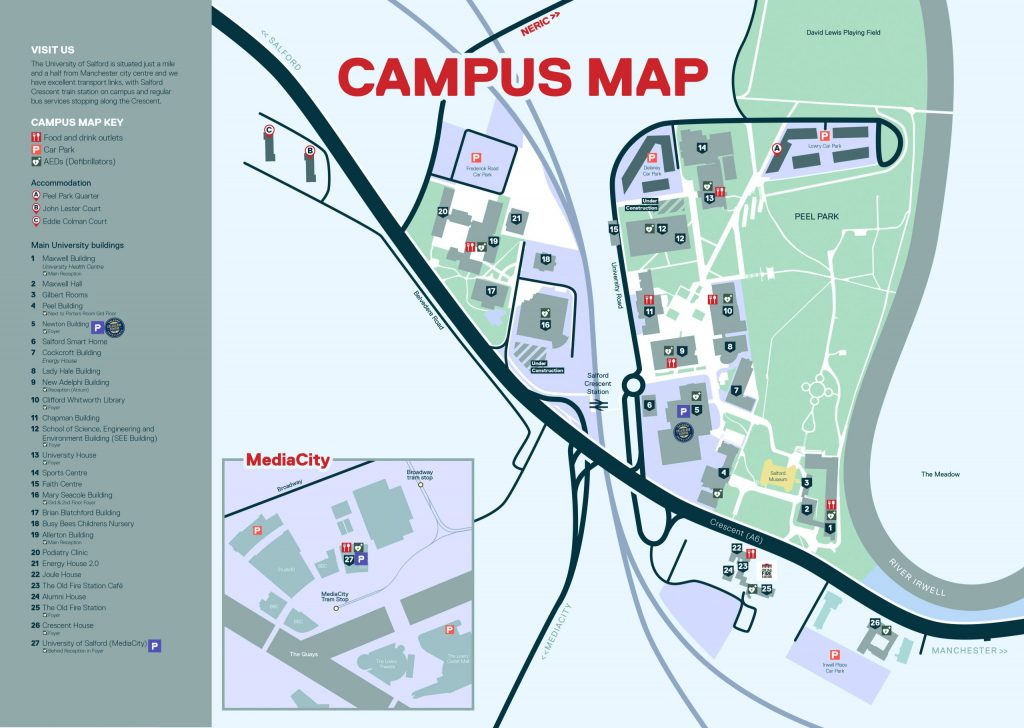
Peel Park Campus, University of Salford
Thursday 1st April 2027, 10:00-18:00
Keynote speaker: Prof Tim Strangleman
The Innovation Network on Cultures of Class calls for proposals for its inaugural symposium Transitions: Class and its Changing Impacts on 1 April, 2027. The symposium addresses class related topics concerning the arts, humanities and social science. Because the remit of the network is to support and connect members across social boundaries, we invite proposals from academics, the GLAM sector, practitioners, representatives of municipal governments, trade unions, community groups, and members of the public.
We will discuss the fluctuating and transient nature of class as a socio-economic concept, and the changing social, cultural and political landscapes by which class and its representations, are subjected. It also explores the trends and changes in disciplines dedicated to its examination, including but not limited to, ideologies of social mobility, class identity, class consciousness, and methodological approaches to the study of class. Sessions therefore address representations of class in the media, classed experiences as expressed in creative writing, educational inequalities, social housing, and responses to working-class identities in the arts.
To apply, please send a 250-300-word proposal to culturesofclass@salford.ac.uk by 15 January 2027. Proposals should name the presenter, any co-presenters, include a title, affiliation (if applicable) and should not be AI generated. We will informe of the outcome in early February 2027.
When composing a proposal, either respond to one of the session-calls below or submit a proposal for a ‘free’ session.
Media, Culture and Class
The Media, Culture and Class-Group of the Innovation Network invites proposals for papers on a panel exploring how class is made, remade, and contested across contemporary media and cultural forms. Taking up the symposium’s theme of transitions, we are interested in the moments at which class identities, cultures, and institutions shift in the passage from one form of work to another, from one generation to the next, from analogue to platform cultures, or from the margins of representation to its centre.
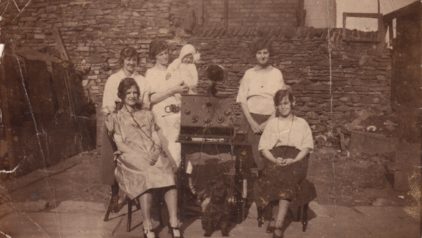
Class remains among the most persistent and, until recently, least examined structures of the UK’s creative and cultural industries. It shapes who makes media, whose stories are told, how audiences are imagined and addressed, and which cultural forms are accorded value. Yet the category itself is in transition. Precarious work, the decline and reinvention of public service media, and the rise of new modes of production and circulation have all unsettled inherited accounts of what class is and how it is experienced and represented.
We welcome contributions from across media, film, television, cultural and communication studies, sociology, history and adjacent fields, as well as from practitioners. Topics might include, though are not limited to:
- International, national or regional approaches to class
- Historical transitions in understandings of class
- Representations of working-class life and labour across screen, sound and digital media
- Class, authorship and access in the creative industries
- Young people, class and cultural participation
- Regional and post-industrial cultures and their mediation
- Class and the platform economy
- Methodological approaches to studying class in and through media
- Nostalgia, memory and the mediation of industrial pasts
We particularly encourage collaborative papers that bring together members of the network working on related questions, and papers that combine scholarly and creative or industry perspectives.
For additional information and questions, please email: Laura Minor L.J.Minor@salford.ac.uk
Co-creation and creative writing
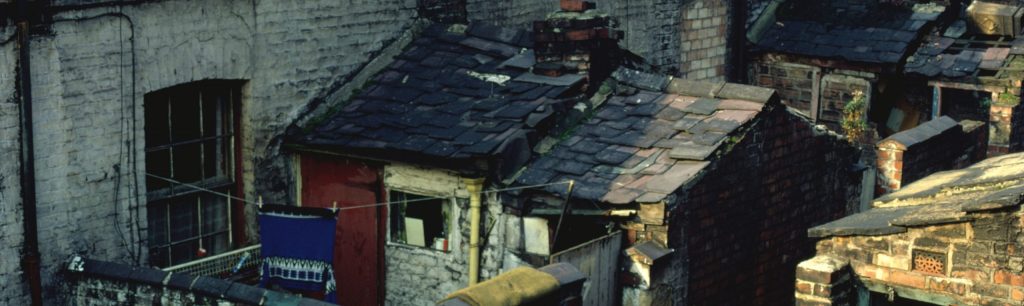
How can creative writing illuminate experiences of class that may be overlooked by conventional academic approaches? What opportunities and challenges arise when researchers, writers, community organisations and participants work together to produce knowledge about class cultures and histories? We welcome proposals that explore the role of creative writing in its broadest sense as a way of exploring, documenting, performing and/or reimagining class. We are particularly interested in contributions that consider creative writing as (but not limited to) storytelling, oral history, visual or concrete text, place-based or virtual, performance, participatory arts, and/or community publishing.
Contributions may address contemporary or historical perspectives and can include reflections on creative projects, practice-based research, collaborative methodologies, interdisciplinary approaches and/ or work developed with communities, archives, museums, libraries and galleries. We encourage submissions that move beyond conventional academic papers, demonstrating how creative and participatory writing can foster new understandings of class across different social, cultural and institutional contexts.
For additional information and questions, please email: Ursula Hurley U.K.Hurley@salford.ac.uk
Education, Social Mobility and the Language of Class

We invite papers that critically examine how educational inequality, social mobility and class are conceptualised and debated across research, policy and public discourse. We are particularly interested in the language used to explain educational success and failure, and the significance of social class as an explanatory framework for understanding educational outcomes.
Contributions may explore:
- Drivers of educational outcomes and social mobility
- Debates surrounding meritocracy
- University access and widening participation
- Private and selective schooling
- Working-class identity and educational experiences
- The effects of the cost-of-living crisis on education
This is not an exhaustive list, and we welcome considerations of how class intersects with race, gender, disability and sexuality, as well as those which engage with decolonising agendas. Papers may be theoretical, empirical, historical or methodological. Interdisciplinary contributions and insights from practitioners and policymakers are especially welcome.
For additional information and questions, please email: Helene Snee H.Snee@mmu.ac.uk
From Welfare State to Neoliberalism: Changing attitudes towards Social Housing
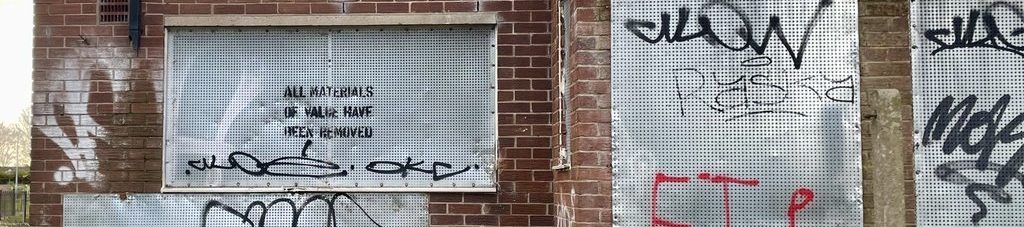
Since the late 1970s and early 1980s, neoliberalism transformed the British welfare state. Perhaps no sector reflects changes more visibly than social and public housing. It transitioned from being regarded as universal right and main element of the welfare state to being driven by markets and private enterprises.
Housing was a tool to facilitate social progress. Shortsighted political objectives, with a range of faults in the fast-paced building programmes and poor estate management led in many cases to built ruins, alienation amongst tenants, loneliness and crime. In response, the neoliberal transition since the 1980s to the present day, addresses such challenges with mixed-income developments, infill housing and regeneration. The results of this change were also marred with challenges and have let to a drastically reduced public housing stock, increase of social stigmatisation in social housing estates, considerable lack of housing security among others.
This session invites practitioners and researchers in the arts, architecture, humanities to critically examine the complex transformations of social housing between political ideologies that drove the welfare state and those that responded to it with neoliberal solutions. We welcome presentations discussing architectural designs, urban planning, activism, as well as theoretical, and comparative analyses that problematise these shifts and their lasting consequences.
Papers are invited that address but are not limited to these topics:
- Notions of ‘class’ that informed architectural designs and build environments related to social housing
- Urban working-class areas and ‘slum clearance’
- Reactions to overspill housing
- Working-class homes as expressions of civic pride
- (De)-stigmatisation
- The roles of housing in social engineering
- Alienation and marginalisation in housing estates
- Tenant and activists’ responses to privatisation
For additional information and questions, please email Tanja Poppelreuter T.Poppelreuter@salford.ac.uk
Creative Arts and Class
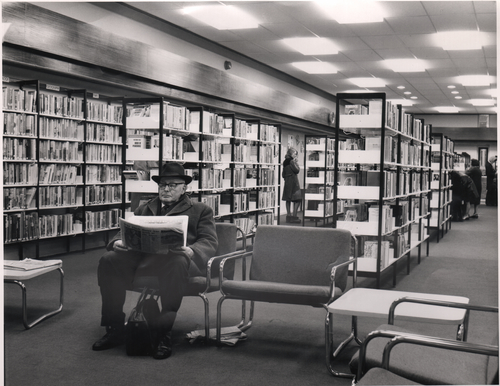
Over the last few years, there have been increasing calls from artists to consider the central role of social class, and specifically working-class identities, in the arts and cultural sectors. Ranging from the establishment of platforms to share opportunities for working class artists (Working Class Creatives Database), to spaces for exchanging experiences of navigating the arts and offering support to others, such as the Working Arts Club, there is a renewed interest in highlighting the contributions of, and barriers to, working-class people in these sectors. Exploring the arts in the broadest sense, The Creative Arts and Class group aims to interrogate the complex, and often contradictory, relationships between ‘art’ and ‘class’, ranging from the experiences of artists and creatives, to debates in disciplines from critical theory and art history to media studies and theatre. We are open to all and welcome anyone with any interest in sharing their experiences, ideas and ambitions for improving the visibility of class in the creative arts.
For additional information and questions, please email Rebecca Starr r.starr@leeds.ac.uk
Class, Memory & Commemoration: Transitions
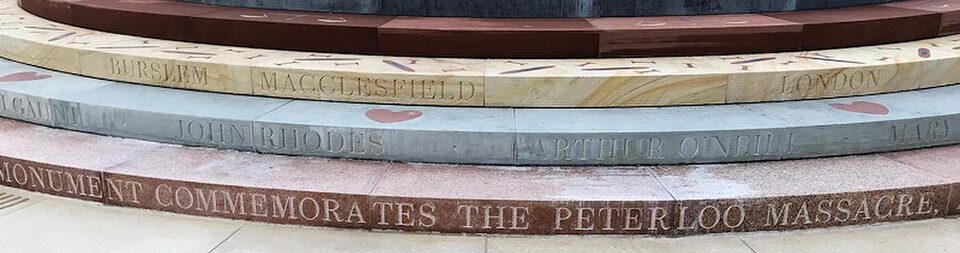
Historically the word class has been associated with Working Class Movements, nineteenth century struggles, and Marxist movements and parties. With the decline of class as a political factor from the 1990s many in our societies are able to act as though class no longer matters or impacts them. Therefore, we seek to explore through this panel what class means in the twenty-first century and how commemoration of class based events have helped to change the meaning of class or to maintain the memory of earlier forms of class.
The Class & Memory interest group of the Innovation Network on Cultures of Class seeks paper proposals on this year’s theme of Transitions. Contributions may focus on class in transition and may be linked community, place, conflict, or struggle among other ideas. We welcome contributions from non-academics as well as academics and hope that people interested in how class and memory can be seen in multiple fields will engage with the group. These fields might include but are not limited to Fine arts, art history, sculpture, architecture, film, literature, and games as well as those interested in memory studies and history.
Presentations might consider:
- How has the commemoration of class changed over time?
- How have methods of remembering working lives or communities changed?
Or they might focus on specific memories at transition points including but not limited to.
- Transitions into industrial society, deindustrialisation or the Age of AI.
- Class memory as working class identity transitions.
- Memory of transitions between class
- Memory of class in transit between places
We hope to use the symposium to engage with those interested in Class, Memory and Commemoration leading to future research projects and events.
For additional information and questions, please email Nicholas Barnett N.J.Barnett@salford.ac.uk
Presenter Briefing Notes
Below is information on formatting and submitting presentation slides.
Thank you for speaking at the forthcoming symposium.
Please send your presentation slides to culturesofclass@salford.ac.uk by Monday, 29th March 2022 so that we can pre-upload them and ensure that the format is compatible with our DIT systems etc.
If you have any organisational questions about the symposium, please contact us via
culturesofclass@salford.ac.uk.
Conference Audience
We have invited academics, practitioners, members of the public, the GLAM sector and local councils. The scope of the conference encompasses a broad range of topics from the Humanities, Arts and Social Sciences all which address how ideas, experiences and responses to the concept of class transitioned in the past and present.
Presentations
Please ensure your presentation is 20 minutes long. The best way to confirm exact timing is to read a pre-prepared text and to limit the number of slides. Although each research project and presentation is different, it takes in most instances about 1-2 minutes to discuss one slide. We therefore suggest limiting the number of slides to c10-12.
Slide formatting
• Please send your slides as a .ppt file to culturesofclass@salford.ac.uk by Monday, 29th March 2022.
• If you are unable to send slides by this deadline, please liaise with your session chair or the conference chairs in advance (culturesofclass@salford.ac.uk).
• To accommodate a diverse audience, please be aware that some terms and acronyms might only be understood by people familiar with your subject matter of research. Please keep these to a minimum and expand on those that are not universally understood.
• Consider limiting branding of your university to the first and last slide.
• Please do add you name, affiliation, and email to the first or last slide.
Software check
Prior to the conference we would like to invite you to a tech check. This is a short session where we can ascertain that you can access the conference DIT without difficulties. We will demonstrate the software and provide relevant information to support your presentation on the day. We will be contacting you to book a session.
Biography for the website
We would like to add biographies of presenters to the conference website. Please send a short (150word max) biography in text format (please not as a table or in bullet points) to culturesofclass@salford.ac.uk.
Preparing individual ONLINE presentations
• Our tech team will send a diary invite and link to your diary. This will happen by mid-March. Please use this link to enter the session to present your paper.
• Please log into the session 10 minutes earlier than the time stated on the conference programme so we can ensure that everyone is able to be seen and heard and that there are no tech issues.
• Please make sure you have given a contact phone number to the admin/tech team so that they can call you on the day if necessary.
• Once you are logged into the session you will be looked after by the chairs of that session.
• Please be aware that all sessions are being recorded. If you do not wish to consent to being recorded, please let us know.
Cancellation
Should something unexpected happen, we offer the opportunity of recording your presentation in advance or asking a colleague to present on your behalf. Please contact your session chair and culturesofclass@salford.ac.uk as soon as you know that you no longer can present at the conference.
Organising your trip and stay at Salford
Please visit our website to arrange travelling to the University of Salford.
Accommodation around Campus: We recommend the Holiday Inn Media City (you will have to take the bus/taxi to campus) or the Maldron Hotel, Chapel Street (it is a c15mins walk to campus). Please contact us to learn about a reduced nightly rate at these two hotels.
Campus map